

How Long Do Road Flares Burn? 15 to 30 Minutes
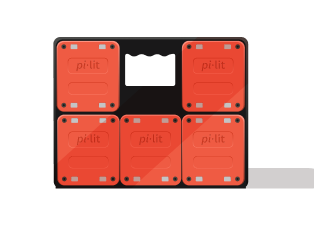
Most highway fusees burn for 15 to 30 minutes, which is also the range used in the National Institute of Justice evaluation of chemical flares. Manufacturers sell timed ratings. Orion, for example, sells 5, 10, 15, 20, and 30 minute highway flares. If a commercial motor vehicle is using fusees as its required warning devices, each fusee must be capable of burning for 30 minutes. Rain, wind, and standing water can shorten a burning fusee's useful time. Reusable LED flares are not a burn time at all; their run time depends on the model and flash pattern. pi-lit Smart Sequential Road Flares run 20+ hours in the default wave pattern (21 hours at normal brightness on the product specification table).
Sources: NIJ 224277, Orion Highway FAQ, 49 CFR 393.95(j), pi-lit Smart Sequential Road Flares product page.
Road flare burn times at a glance
| Type or rating | Time | Source |
|---|---|---|
| Typical highway fusee | 15 to 30 minutes | NIJ 224277; common retail ratings |
| Manufacturer ratings (Orion highway flares) | 5, 10, 15, 20, and 30 minutes | Orion Highway FAQ |
| Commercial motor vehicle required fusees | Must be capable of burning 30 minutes and meet UL 912 | 49 CFR 393.95(j) |
| Weather and placement | Rain, wind, cold ground, and puddles can shorten light output or extinguish a flare lying in water | Orion Highway FAQ |
| pi-lit sequential LED, default wave pattern, normal brightness | 21 hours (20+ hours on the product hero) | Live product page |
| Other pi-lit patterns at normal brightness, side LEDs on | Rapid flash 33 hours, strobe chase 23 hours, wig-wag 60 hours, simultaneous 14 hours, steady burn 18 hours | Live product page |
MAX brightness is shorter. Figures are bench-tested at room temperature; cold weather shortens run time. LED run times vary by brand and pattern. Do not treat consumer puck-style LED flares as if they were pi-lit flares.
How long traditional fusees burn
Common highway ratings are 15, 20, or 30 minutes. The Orion Highway FAQ also lists 5 and 10 minute highway flares. The shortest Orion highway rating we are citing is 5 minutes, not 30 seconds. We do not have a sourced average of 20 minutes, so this page states the published ratings instead.
If you want the lighting method and the chemistry, see How Do Road Flares Work?. For the other device types, see Types of Emergency Road Flares.
Storage, not a single shelf-life number
Orion's Highway FAQ says highway flares have no expiration date when they are properly stored, in a sealed bag, ideally at 40 to 90 degrees Fahrenheit, and that storage above 120 degrees Fahrenheit for more than a week should be avoided. Check the label on the product you stock. If a flare is expired, damaged, or no longer wanted, see How to Dispose of Old Road Flares Safely.
How much do traditional flares cost per scene?
Traditional flares are inexpensive each, but because of their short burn time a department may need several flares for one scene, so the cost can add up over time. This page does not quote a per-flare dollar amount.
How long LED road flares last
Reusable LED flares are not a burn time. Run time depends on the model and the flash pattern, and it varies by brand. Do not read a consumer puck-style LED flare as if it were a pi-lit sequential flare.
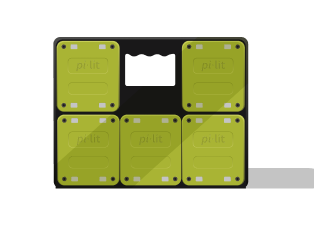
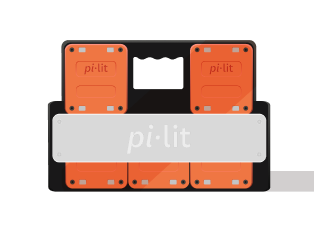
pi-lit Smart Sequential Road Flares run 20+ hours in the default wave pattern, 21 hours at normal brightness on the product specification table. Other patterns at normal brightness, with side LEDs on, are rapid flash 33 hours, strobe chase 23 hours, wig-wag 60 hours, simultaneous 14 hours, and steady burn 18 hours. MAX brightness is shorter. Those figures are bench-tested at room temperature; cold weather shortens run time. Retrieve the set at the end of the deployment, then recharge or fit new batteries.
How much do LED flares cost per scene?
A reusable sequential LED set is a one-time kit purchase rather than a consumable. It can replace single-use fusees over many deployments. For a side-by-side comparison, see LED Road Flares vs. Fusee Flares.
Use Case: A Canadian Department Makes the Switch
When working with a department in Canada, we evaluated the costs of their old flares compared to our sequential LED flares.
After the one-time cost for the LED flares, the Canadian department saw a return on investment within 6 to 10 deployments. With pi-lit's LEDs, this department:
- Was able to use the flares during roadside emergencies, including hazardous material spills
- Saw a reduction in vehicle speed and earlier lane merge compliance
- Saw a reduction in inventory procurement or maintenance
- Had no wastage associated with incidents less than 20 minutes
- Reduced their need for bunker storage
When using fusee flares, they found that annual spend for a large fleet added up quickly. With a pi-lit Rechargeable 6 Set of sequential flares, the department saw a clear cost reduction after the one-time kit purchase, with no recurring fusee reorder in later years.
Who uses sequential LED flares
Law enforcement, fire and rescue, state DOT, and utility crews use these run times when a scene lasts longer than a single fusee burn. See the live run-time table on the product page for the current figures.
Frequently Asked Questions
How long do traditional road flares burn?
Common highway ratings are 15, 20, or 30 minutes. Some makers also sell 5 and 10 minute flares.
How long do commercial-truck fusees have to burn?
Under 49 CFR 393.95(j), each fusee used as a required warning device must be capable of burning for 30 minutes and must meet UL 912.
How long do pi-lit LED flares last on one charge?
20+ hours in the default wave pattern, 21 hours at normal brightness according to the product specification table. Other patterns are shorter or longer. Cold weather shortens run time.
Do weather and placement change fusee burn time?
Yes. Orion notes that rain, wind, cold ground, and puddles can reduce light output or put a flare out if it is lying in water.
Do LED sequential flares need to be retrieved?
Yes. Retrieve them at the end of the deployment. Unlike a spent fusee, they recharge or take new batteries and go back in the kit.