





Military
Mark the landing zone. Light the gate. Guide the stop.
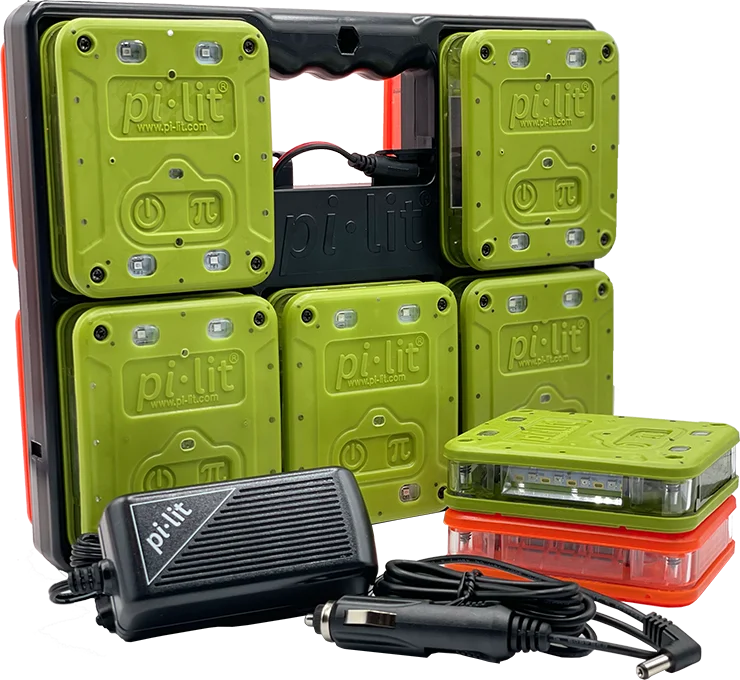
The IR Med-Evac Landing Zone Kit marks an LZ in visible green, infrared for NVGs, or both, and one button switches the whole group. Smart Sequential Road Flares put a sequential signal behind a stop in under 60 seconds. Type A/C barricade lamps keep a closed gate lane lit after dark.
Built for the people who keep the base moving.
- Security forces
- Military police
- Airfield operations
- Night ops and LZs
Watch it in action
Flares on the ground and in the dark
IR Med-Evac Landing Zone Kit
Landing zones and night ops
Five radio-linked flares mark an LZ in visible green, infrared for night vision goggles, or both.
- Four corners and a wind marker
- Four flares mark the corners of the touchdown area. A fifth marks wind direction.
- One button, whole group
- Press the mode button on any flare to switch all five between visible green, infrared for NVGs, or both.
- Unison flash or steady glow
- The five flares flash together once per second or glow steady.
- Holds in rotor wash
- Each flare sits in a ballasted base that holds position on pavement, dirt, or grass.
Entry control points
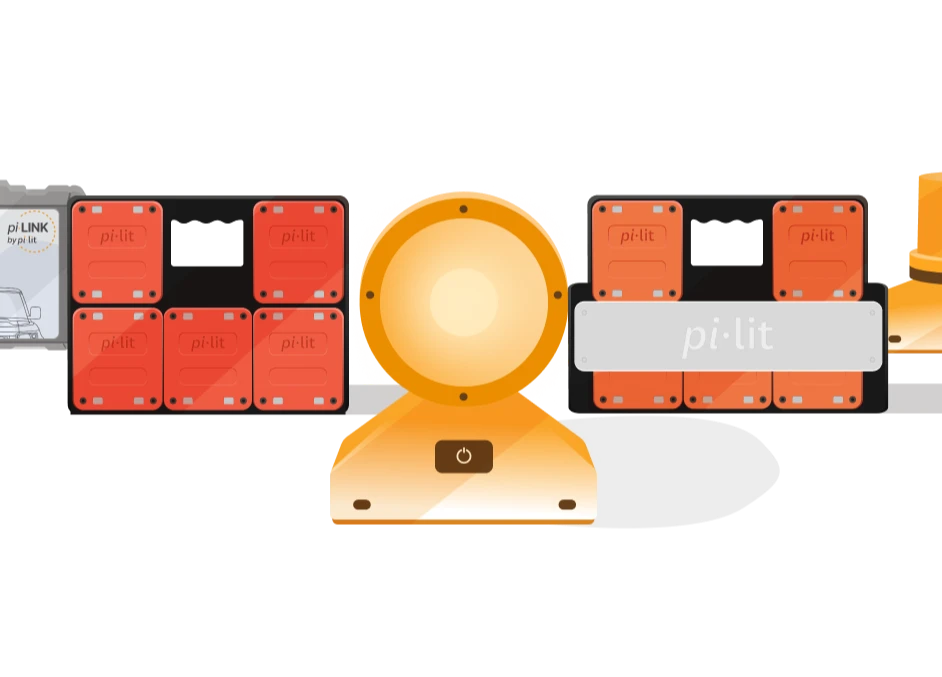
Close a lane at the gate, send traffic to the open lane, and keep the closure lit after dark.
- 1Flares taper the closed lane
- 2Type A/C lamps on the barricades
- 3Traffic stops at the booth in the open lane
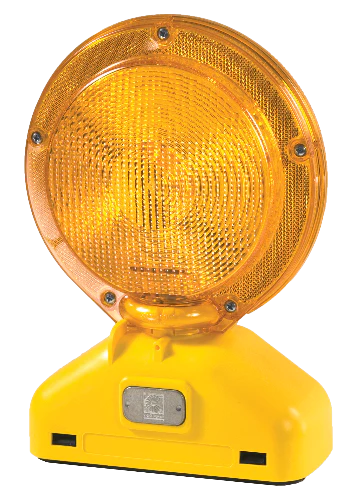
Traditional Warning Lamps
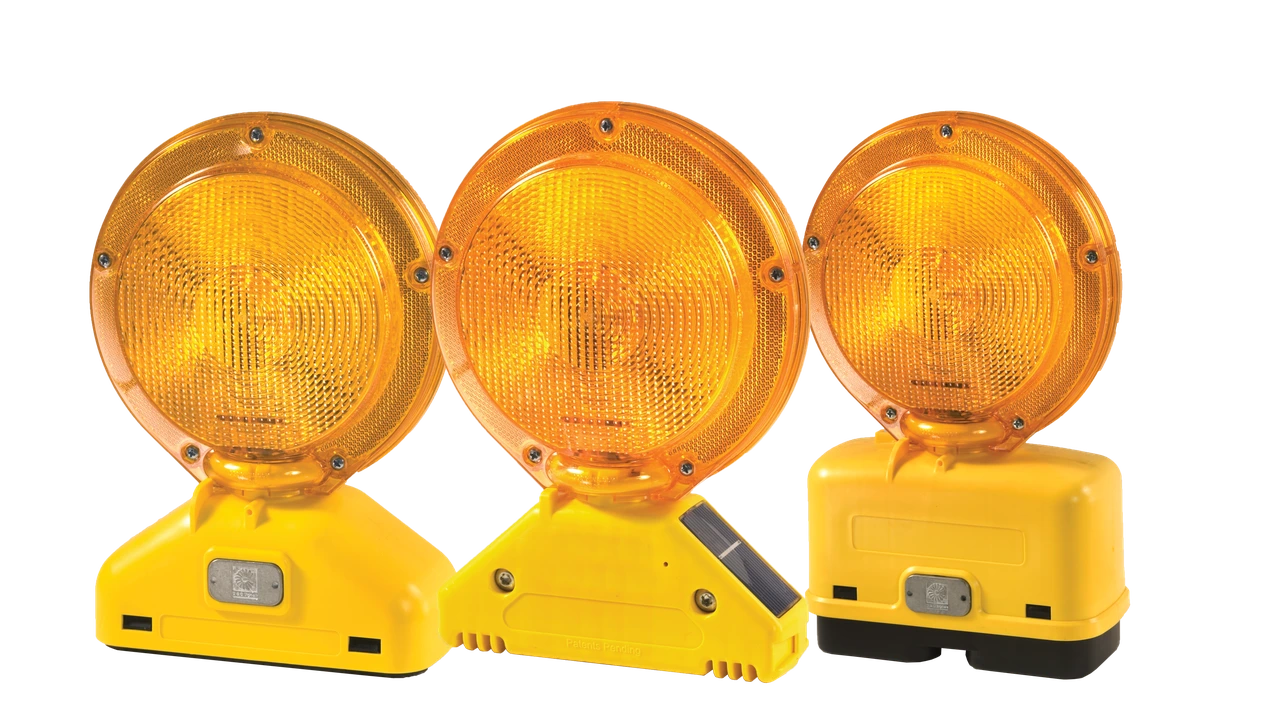
Type A/C barricade lamps
- Flash or steady burn
- A 3-position switch sets Flash, Steady-Burn, or Off.
- Dusk to dawn
- An automatic photocell turns the lamp off in bright sunlight to save battery.
- Power
- 3V D-cell with 1+ year battery life, 6V lantern, or True Solar rechargeable.
- Mounting
- Each box of 10 includes D-bolts for Type 1, Type 2, and Type 3 barricades. Amber or red lens.
Taxiway and runway closures
Mark a closed taxiway or runway segment with a line of flares you can set and pick up by hand.
Drive out and set the line
Lay a line of flares across the pavement in under 60 seconds, then pick it up by hand when the segment reopens.
Pick the pattern
6 flash patterns: 4 sequential, 1 simultaneous, and 1 steady burn. A closure line can flash together or burn steady.
Built for heavy traffic
Each flare is crush-rated to 30,000 lb and runs 20+ hours on the default pattern.
Follow your airfield's own procedures for closure marking.
Stops and crash scenes on base
A traffic stop at the gate, a stalled vehicle, a crash on a perimeter road. The patrol truck stops and the flares go down behind it.
Stop and light up
Park behind the scene with the light bar on.
Set the flares
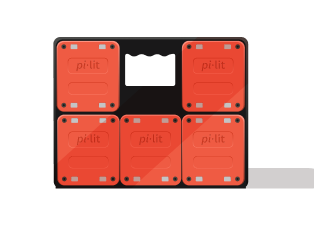
Drop them behind the vehicle in under 60 seconds. They link to each other with no pairing steps.
Let the wave run
The sequential wave shows approaching drivers which way to go around.
Clear and recharge
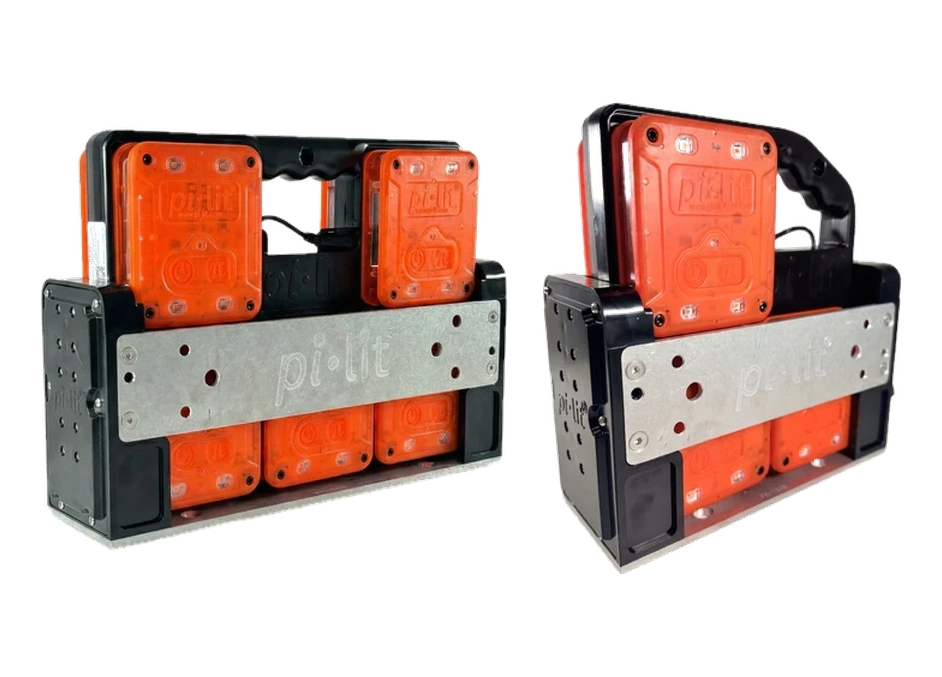
Pick them up and put them back in the dock, where they charge from the vehicle.
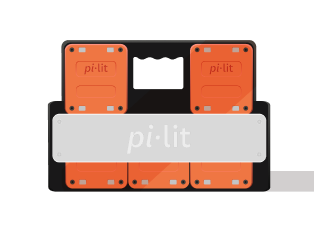
Smart Sequential Road Flares
See the flaresThe flare, by the numbers
- Under 60 secondsDeploy time
- 30,000 lbCrush rating
- 20+ hoursDefault pattern
- 6 flash patterns4 sequential, 1 simultaneous, 1 steady burn
- Issued US patentsPatents
- Made in the USAManufacturing
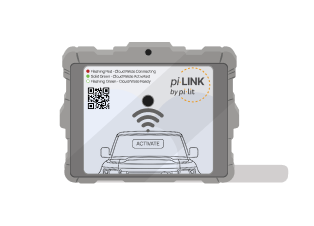
- 7M+piLINK digital driver alerts
Road work on base
Base public works crews and contractors close lanes on base roads too. The same kit covers it.
- 01
Close the lane
Type A/C lamps on barricades mark the closed lane, flashing or steady, and switch on at dusk.
- 02
Taper with flares
Sequential flares show drivers which way to merge around the closure.
- 03
Charge on the truck
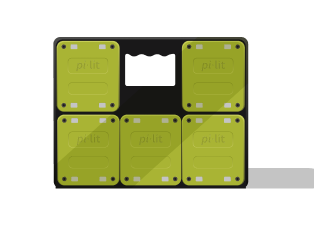
A 6-set or 10-set docking station keeps the flares in the truck and charged between jobs.
Products
View All ProductsRecommended products
View All Products
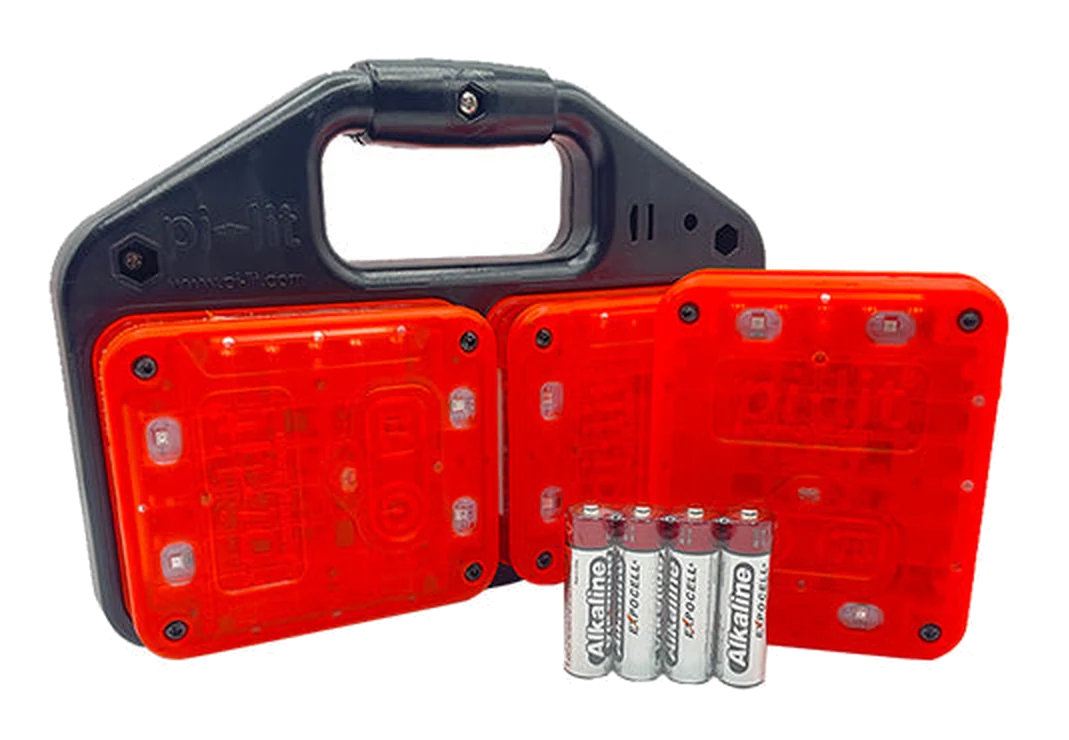
Explore every pi-lit roadway safety product for connected warning, sequential guidance, and impact telemetry.
Made in the USA. Ready for the mission.
Request a quote for flare kits, docking stations, LZ kits, and barricade lamps, or talk to us about your setup.