



What Is Connected Temporary Traffic Control?
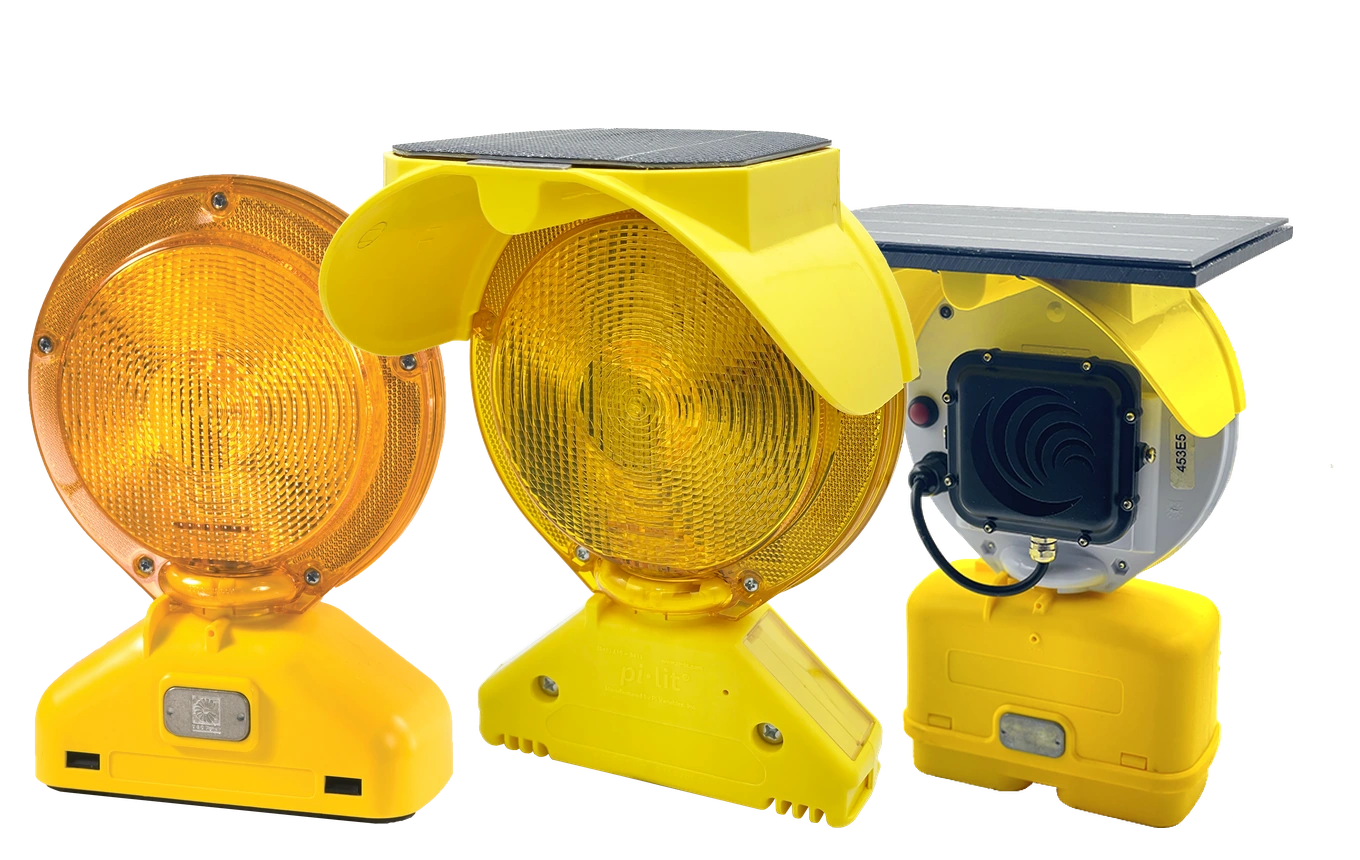
Connected temporary traffic control is a closure that reports itself. Sequential lights guide drivers into the open lane, a gateway sends a live alert to drivers' navigation apps and connected vehicles upstream, and the closure is published to a USDOT WZDx feed with its location and start and end times. With pi-lit, that connectivity is built into the flares, Smarter Cones and sequential lamps crews already place.
What it includes
Sequential lights
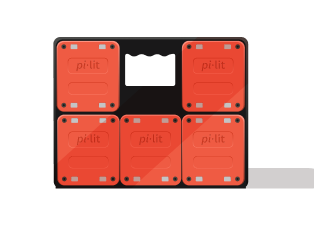
Lamps, flares and cones flash in order along the taper, showing drivers which way to move sooner.
See sequential lampsUpstream driver alerts
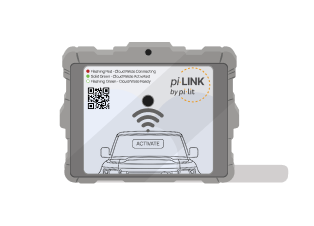
A piLINK gateway geostamps the scene and pi-lit Cloud routes the alert to driver navigation platforms and connected vehicles.
See piLINKUSDOT WZDx closure data
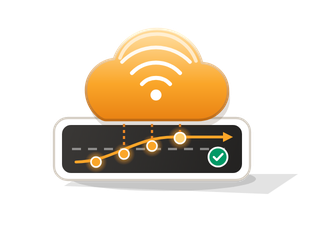
Compass start and end markers let pi-lit Cloud publish a USDOT WZDx v4.2 feed for state DOTs, 511 systems and traffic management centers.
See the WZDx use caseStrike and knockdown alerts
Impact and tilt alerts are built into the connected lamps, and Smarter Cones report knockdowns, so a hit is reported without a separate sensor.
See Smarter ConeWhy agencies want it
- The feed matches the road. A closure that is never entered never reaches 511 systems or the traffic management center. When the equipment starts and ends the closure, there is no form at the end of the shift to skip.
- Drivers hear about it sooner. A taper only helps the drivers who can see it. An upstream alert reaches drivers while the closure is still ahead of them.
- The agency keeps a record. pi-lit Cloud logs the GPS location and timestamps, so the agency has when and where each temporary traffic control event was active.
What to check before you buy
- Is connectivity built into equipment the crew already places, or is it a separate device to deploy and learn?
- Does the closure start and end from the equipment, with no crew data entry?
- Does it publish a USDOT WZDx feed, and can integrators reach the data through an API?
- Do the lamps meet MUTCD and ITE specifications? pi-lit connected lamps and Traditional Warning Lamps do, and they are NCHRP-350 / MASH compliant.
- Can you buy it on a contract? pi-lit quotes on Sourcewell and the Purchasing Cooperative of America (PCA Contract OD-447-26), and helps write justification letters for grant-funded purchases.
To see the steps from the crew's side, read how to put your roadside crew on drivers' navigation maps.
Frequently Asked Questions
What is connected temporary traffic control?
Temporary traffic control that reports itself. Sequential lights guide drivers, a gateway sends live alerts to drivers' navigation apps and connected vehicles, and the closure is published to a USDOT WZDx feed with its location and start and end times.
What is USDOT WZDx?
USDOT WZDx is a USDOT data standard for machine-readable closure data used by state DOTs, 511 systems, traffic management centers and connected-vehicle ecosystems. pi-lit Cloud publishes a USDOT WZDx v4.2 feed from Compass start and end markers.
Does it need a separate sensor?
Not with pi-lit. Connectivity is built into the flares, Smarter Cones and lamps crews already place, so there is no dedicated sensor to deploy and nothing new for the crew to learn.
Do the connected lamps meet MUTCD?
Yes. pi-lit connected sequential lamps and Traditional Warning Lamps meet MUTCD and ITE specifications and are NCHRP-350 / MASH compliant.
How do agencies buy it?
pi-lit quotes against Sourcewell and the Purchasing Cooperative of America (PCA Contract OD-447-26), accepts tax-exempt government purchase orders, and helps write justification letters for grant-funded purchases.