

How to Put Your Roadside Crew on Drivers' Navigation Maps
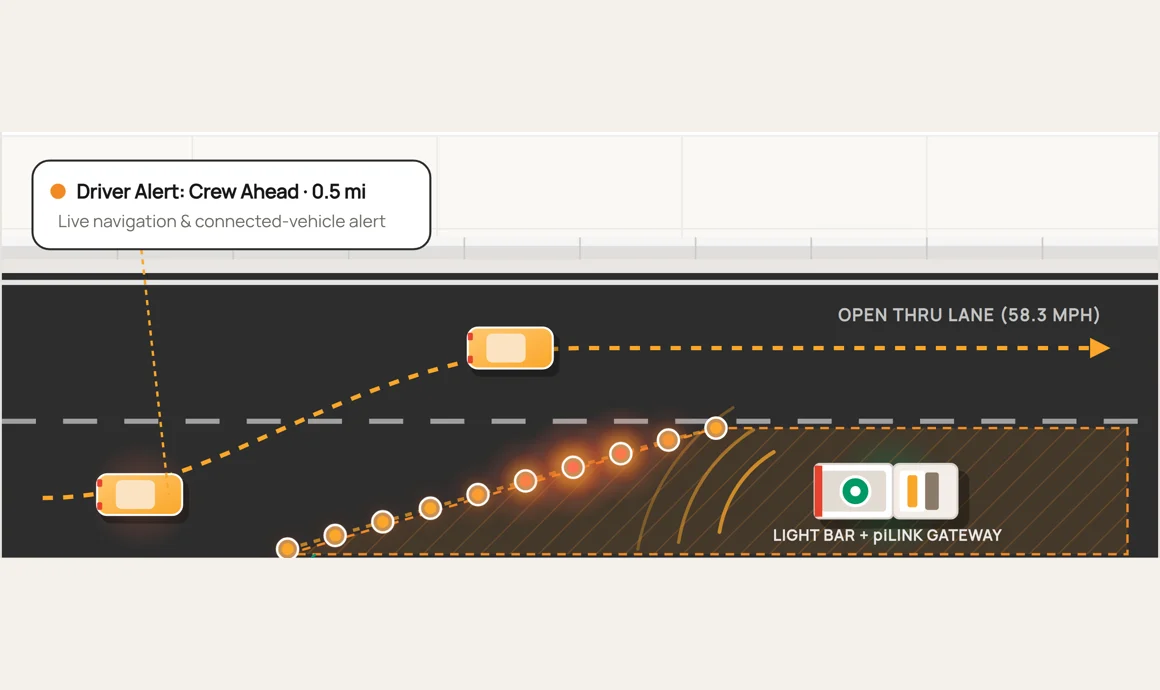
To put your crew on drivers' navigation maps, use equipment that reports the closure for you. With pi-lit, the crew turns on the sequential flares or Smarter Cones it already places, a piLINK gateway goes live with them, and pi-lit Cloud sends a temporary traffic control alert to drivers' navigation apps and connected vehicles upstream. Compass start and end markers add the closure to a USDOT WZDx feed. There is no app to open, no form to fill in and no separate sensor to place.
Why the taper alone is not enough
A sequential taper guides the drivers who can already see it. Drivers coming over a hill, around a curve or through rain see it late. A digital alert reaches them while the closure is still up the road, so they can slow down and move over before they reach your crew.
How a closure gets onto the map
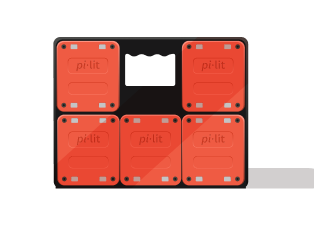
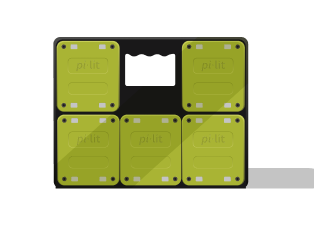
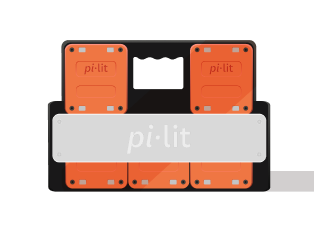
- The crew sets the equipment. Sequential flares, Smarter Cones and lamps go out with the closure the crew is already setting.
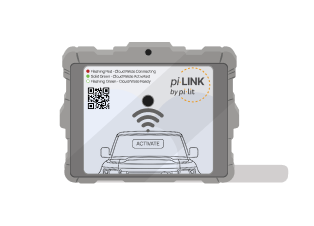
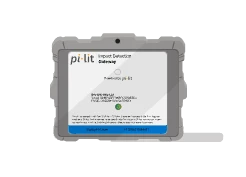
- piLINK goes live. It activates the moment a set of pi-lit flares or Smarter Cones is switched on nearby. With the optional light bar integration it also goes live when the vehicle's emergency or amber light bar comes on, and a single button press works too.
- The alert goes out. piLINK geostamps the deployment over LTE and sends it to the pi-lit Digital Alerting Platform, which routes real-time alerts to driver navigation platforms and connected vehicles upstream.
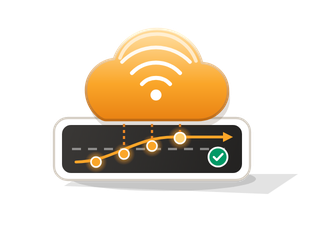
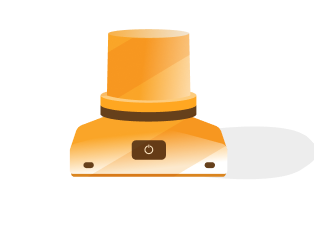
- The closure joins the feed. When crews place Compass start and end markers, pi-lit Cloud logs the GPS location and the timestamps and publishes a USDOT WZDx v4.2 feed that state DOTs, 511 systems and traffic management centers can ingest.
- The agency keeps the record. The same log shows when and where each temporary traffic control event was active.
Built into equipment crews already use
- No extra training. Crews turn on flares and cones the way they already do. There is nothing new to learn before the next closure.
- No dedicated sensor. Connectivity is built into the flares, cones and lamps on the road, so there is no separate device to place or to leave on the truck.
- One gateway on scene. One piLINK links a full taper of flares, cones, lamps and sensors within a 330 ft (100 m) 2.4 GHz range through one cellular modem, so there are no per-cone or per-flare cellular fees.
- Every driver gets a cue. Drivers using a navigation app get the alert upstream, and the sequential flares and Smarter Cones give every driver a directional cue at the scene.
What to check before you buy
- Does the alert start from equipment the crew already turns on, or does someone have to remember a separate step?
- Does the closure reach a USDOT WZDx feed with start and end times, with no crew data entry?
- Is there one cellular connection per scene, or a data plan for every device?
- Can your agency buy it on a cooperative contract? pi-lit quotes on Sourcewell Contract #041525-PIV.
pi-lit Cloud sends live geostamped alerts to driver navigation platforms, publishes closures to the USDOT WZDx v4.2 feed, and offers a Customer & Integrator API for agency systems. Contact pi-lit for plan details. See how it works for agencies on the WZDx use case page and the DOT page.
Frequently Asked Questions
How do I get my roadside crew to show up in drivers' navigation apps?
Use equipment that sends the alert for you. When a crew switches on pi-lit sequential flares or Smarter Cones, a piLINK gateway goes live and pi-lit Cloud routes a temporary traffic control alert to driver navigation platforms and connected vehicles upstream.
Does the crew have to open an app or press a button?
No. piLINK activates when pi-lit flares or Smarter Cones are switched on nearby, or when the light bar comes on with the optional light bar integration. A single button press on the gateway also works.
How does a closure get into the USDOT WZDx feed?
When crews place Compass start and end markers, pi-lit Cloud logs the GPS location and timestamps and publishes a USDOT WZDx v4.2 feed for state DOTs, 511 systems and traffic management centers, with no crew data entry.
Do I need a separate sensor or new training?
No. Connectivity is built into the flares, cones and lamps crews already place, so there is no dedicated sensor to deploy and nothing new for the crew to learn.
Are there cellular fees for every cone or flare?
No. One piLINK gateway links the whole taper through a single cellular modem, so there are no per-cone or per-flare cellular fees.