


How Utilities Protect Roadside Crews From Traffic
Utilities protect roadside crews by warning drivers early, giving them a clear taper to follow, and keeping crews out of the live lane as much as possible. A flame-free sequential LED taper, a truck light bar and digital driver alerts work together to do that.
Warn drivers early and show them where to go
Drivers need time to see a closure, decide and move over. At 65 mph, two seconds is 190 ft of road. A sequential pattern, where lights flash in a wave toward the open lane, tells drivers where to steer without a crew member standing in the road to wave them over.
Set the taper from the truck and stay out of the lane
- Park so the truck shields the work area, and turn on the light bar.
- Pull a charged kit from the truck. A sequential road flare set links and sequences automatically in under 60 seconds.
- Place the taper from the shoulder side where you can, then start the job.
- Retrieve the set at the end of the job. Reusable LED flares leave no spent fusee to pack out.
Choose gear that fits utility work
Utility crews work next to gas lines, vaults, fuel spills and dry brush. A burning fusee puts an open flame and smoke in those places. Sequential LED flares have no flame, smoke or burns.
- Built for the road. The flares are weatherproof and crush-rated to 30,000 lbs.
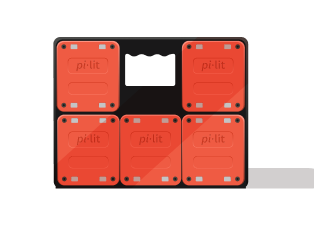
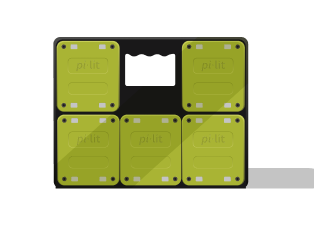
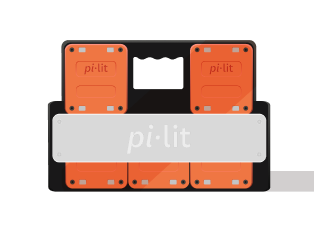
- Charged and ready. 6-flare and 10-flare docking stations fit a utility truck bed and run on 12V DC or 120V AC. A depleted kit recharges in 4 to 6 hours.
- Runtime. The flares run 20+ hours in the default wave pattern.
- Your cones too. Smarter Cones are all-in-one sequential cones, and Universal Cone Adapters put sequential flares on your existing 28-inch or 36-inch cones.
Warn approaching drivers digitally
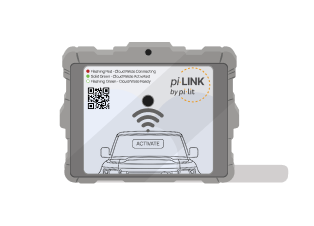
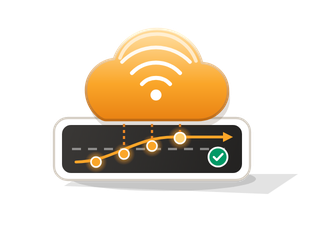
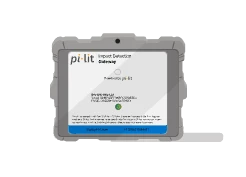
A taper only helps the drivers who can already see it. With light bar integration, a piLINK gateway goes live when the crew turns on the light bar, and it also activates when flares or cones are deployed. pi-lit Cloud then sends a temporary traffic control alert to driver navigation platforms and connected vehicles. Crews do not open an app or press buttons, and there are no per-cone cellular fees because one piLINK carries one cellular modem for the whole deployment.
Plan the purchase
Public utilities and municipal agencies can often buy without running their own bid. pi-lit quotes on Sourcewell Contract #041525-PIV and accepts tax-exempt purchase orders. To compare the cost of burning fusees against a reusable set, the fusee cost calculator lets you set your own number of vehicles, incidents and hours.
See how this works for your crews on the utility use case page.
Frequently Asked Questions
What is the safest way for a utility crew to warn traffic?
Give drivers early warning and a clear path: turn on the truck light bar, set a sequential taper from the truck, and send a digital driver alert. Keep crew time in the live lane as short as possible.
Why not use fusees near gas lines?
A burning fusee is an open flame with smoke. Gas leaks, vaults, fuel spills and dry brush are places where that flame is a risk. Sequential LED flares have no flame, smoke or burns.
Do crews need to open an app to send a driver alert?
No. With light bar integration, piLINK goes live when the light bar comes on, and it also activates when flares or cones are deployed. pi-lit Cloud sends the alert.
How do the flares stay charged on the truck?
6-flare and 10-flare docking stations fit a utility truck bed and run on 12V DC or 120V AC. Smart trickle charging lets the kit stay plugged in, and a depleted kit recharges in 4 to 6 hours.
Can a public utility buy without a separate bid?
Many public agencies can buy through a cooperative contract. pi-lit quotes on Sourcewell Contract #041525-PIV, and your eligibility depends on your state and local rules. Check with your procurement office.