


Alternatives to Road Fusees
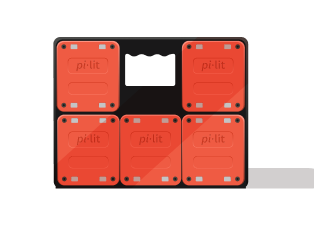
The main alternatives to road fusees are basic LED flares, rechargeable sequential LED flares, sequential lamps and lighted cones. Sequential LED flares are the closest swap, because they keep the flare footprint while removing the flame, the smoke and the reorder cycle.
Why agencies look beyond fusees
- A fusee is an open flame. It can burn uniforms and skin and start fires near dry vegetation.
- It makes smoke that crews breathe at the scene.
- Most highway fusees burn 15 to 30 minutes, so each one is used once and reordered.
- A spent fusee has to be picked up and disposed of properly. See how to dispose of road flares.
Your options
| Option | Open flame | Reusable | Sequential pattern |
|---|---|---|---|
| Fusee | Yes | No, single use | No |
| Basic battery LED flare | No | Uses batteries, not rechargeable | No, flashes only |
| Rechargeable sequential LED flare | No | Yes, rechargeable | Yes |
| Sequential LED lamp | No | Long-lasting battery, sometimes solar recharge | Yes |
Based on the pi-lit guides to LED road flares and types of emergency road flares.
Which alternative fits
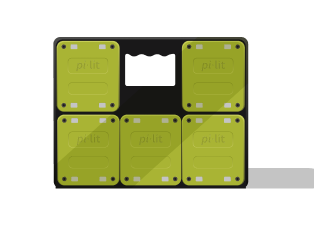
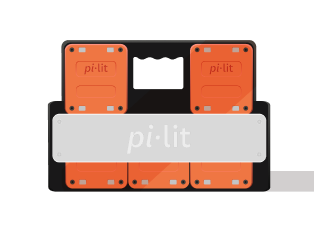
- Patrol and response vehicles. Rechargeable sequential flares in a trunk docking station replace the fusees you would otherwise burn on each stop.
- Longer closures. Smarter Cones and sequential lamps hold a taper for hours.
- Commercial trucks. 49 CFR 393.95(f) names triangles or fusees. Other devices may be used in addition, not in place, of those, except where an FMCSA exemption applies. pi-lit Smart Sequential Road Flares have an exemption through 27 June 2028. See the product page for the conditions.
What to check before you switch
- Is the light sequential, so it guides drivers instead of only flashing?
- Is it rechargeable, and can it stay charged in the vehicle?
- Is it weatherproof and crush-rated for traffic? pi-lit flares are crush-rated to 30,000 lbs.
- Does your agency need a contract to buy? Sourcewell Contract #041525-PIV lets eligible agencies buy without running their own bid.
What the switch costs
The fusee cost calculator compares fusee spend with a reusable set. Move the sliders to set your own number of vehicles, incidents and hours. It assumes $90 per incident-hour for fusees and a $750 10-flare kit, and you can see the assumption on the calculator itself.
Frequently Asked Questions
What can I use instead of road fusees?
Basic battery LED flares, rechargeable sequential LED flares, sequential lamps and lighted cones. Rechargeable sequential LED flares are the closest replacement for a fusee.
Are LED flares safer than fusees?
LED flares do not use an open flame and do not leave a pyrotechnic residue. pi-lit Smart Sequential Road Flares run 20+ hours in the default wave pattern.
Can a commercial truck replace triangles with LED flares?
Not as a general rule. 49 CFR 393.95(f) names triangles or fusees. Other devices may be used in addition, not in place, of those, except where an FMCSA exemption applies. pi-lit Smart Sequential Road Flares have an exemption through 27 June 2028. See the product page for the conditions.
How long does a fusee burn?
Most highway fusees burn 15 to 30 minutes, so each one is used once and reordered.
Can my agency buy sequential LED flares without a separate bid?
Many agencies can buy through a cooperative contract. pi-lit quotes on Sourcewell Contract #041525-PIV, and your eligibility depends on your state and local rules. Check with your procurement office.