



Can LED Flares Replace Warning Triangles?
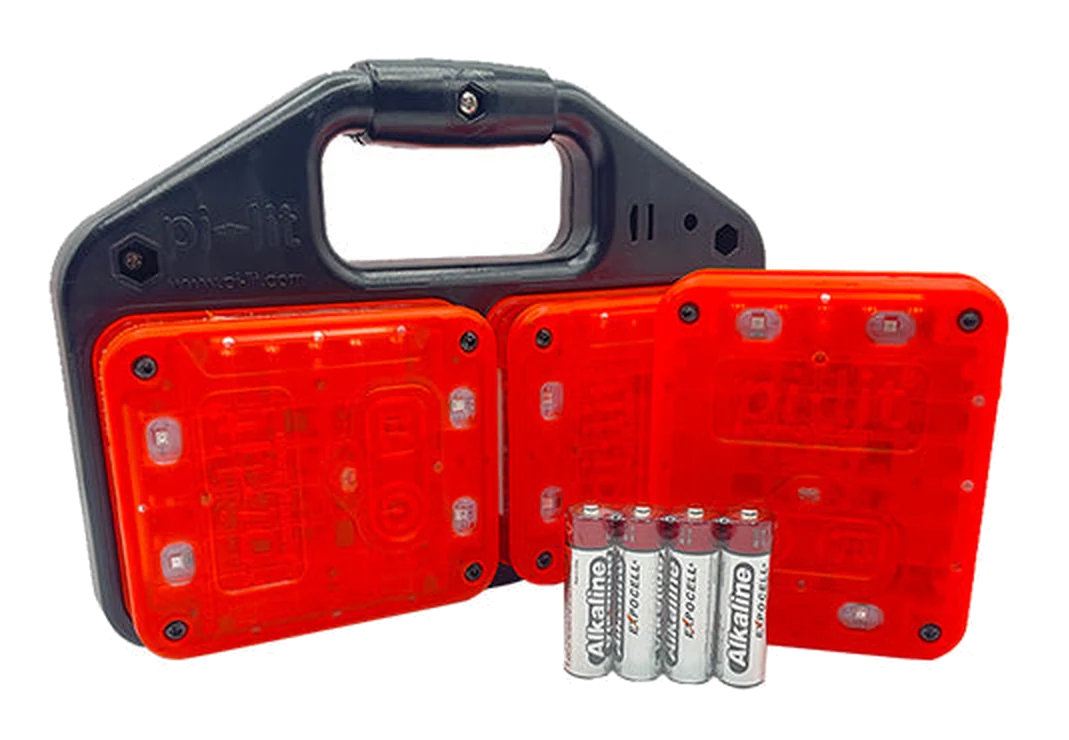
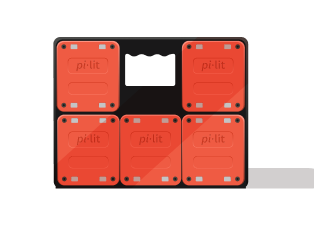
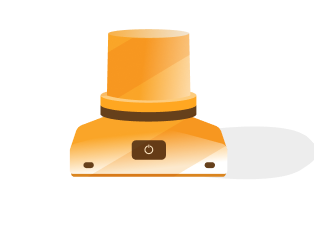
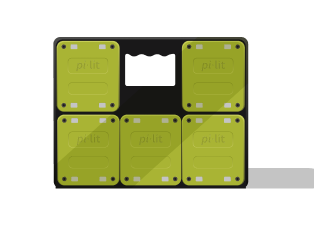
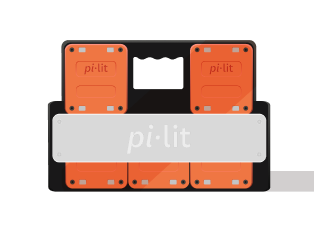
Yes, if the flares are covered by an FMCSA exemption. The pi-lit 4-set alkaline Smart Sequential Road Flares kit is covered by an FMCSA exemption from 49 CFR 393.95(f), so motor carriers may use the flares in orange or red in place of the three reflective triangles when a truck is stopped on the highway or shoulder. The exemption runs June 27, 2023 through June 27, 2028. Other LED flares can only be used in addition to triangles, not in place of them, unless FMCSA has granted them their own exemption.
What the rule says
49 CFR 393.95(f) requires a commercial motor vehicle to carry three bidirectional reflective triangles, or fusees or liquid-burning flares. Other warning devices may be used in addition to those, but not in lieu of them. An FMCSA exemption is what lets a specific device stand in for the required ones.
What the pi-lit exemption covers
- FMCSA granted Pi Variables, Inc. a limited 5-year exemption, published in the Federal Register on June 22, 2023 (document 2023-13205).
- It runs June 27, 2023 through June 27, 2028, unless FMCSA rescinds it earlier.
- It is limited to pi-lit LED flares and does not apply to any other LED flare system.
- Motor carriers may use the flares in orange or red in place of the triangles, fusees and liquid-burning flares named in 393.95(f).
- Drivers must deploy at least 3 flares, in the time and manner 49 CFR 392.22 sets.
Where the flares go
49 CFR 392.22 says to place warning devices as soon as possible and within 10 minutes of stopping:
- One on the traffic side, about 10 feet behind the truck.
- One about 100 feet behind the truck, in the center of the lane or shoulder it occupies.
- One about 100 feet ahead of the truck, in the center of the lane or shoulder it occupies.
- On a divided or one-way highway, place them about 10, 100 and 200 feet behind the truck instead.
The trucking page shows the three positions on a diagram.
Why the 4-set alkaline kit fits a cab
- Four flares, three placements. The kit covers the three positions plus a spare.
- No charger. It runs on standard AA batteries and does not need a charging cradle in the cab.
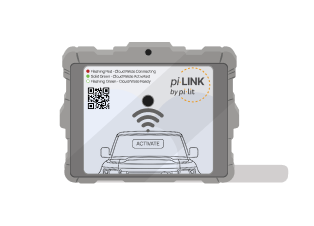
- Built for the shoulder. The flares link on their own and go down in under 60 seconds, run 20+ hours in the default wave pattern at normal brightness, and are crush-rated to 30,000 lbs.
- Part of the inspection. Like other emergency equipment, the flares are checked in the driver vehicle inspection under 49 CFR 396.11.
Frequently Asked Questions
Can LED flares replace warning triangles on a commercial truck?
Only LED flares covered by an FMCSA exemption. The pi-lit 4-set alkaline Smart Sequential Road Flares kit is covered by an FMCSA exemption from 49 CFR 393.95(f), so motor carriers may use the flares in orange or red in place of the three reflective triangles through June 27, 2028.
Do other LED flares count in place of triangles?
Not as a general rule. 49 CFR 393.95(f) names reflective triangles, fusees or liquid-burning flares. Other devices may be used in addition to those, not in place of them. The pi-lit exemption is limited to pi-lit LED flares.
How many flares does a truck need under the exemption?
At least 3 flares, placed the way 49 CFR 392.22 places warning devices. The pi-lit 4-set alkaline kit covers the three positions plus a spare.
What colors are covered?
Orange or red. The exemption lets motor carriers use pi-lit LED flares in orange or red LED color in place of the triangles.
When does the exemption expire?
June 27, 2028, unless FMCSA rescinds it earlier. It took effect June 27, 2023 and was published in the Federal Register on June 22, 2023, document 2023-13205.