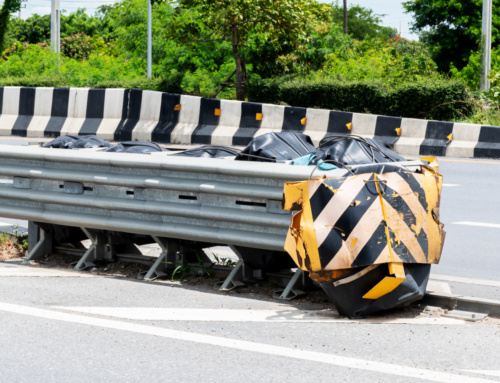
Civil engineers are smart, and they do smart things. So when you see a crash cushion, guard rail, cable barrier, or end terminal on the roadway, it’s there for a reason. Drivers are not so smart. They are going to hit these safety assets. Glad we have smart engineers. But as smart as they are, the design specification of a protection device is thrown out the window once it is struck, even if minor bump. So smart maintenance personnel know how to inspect and repair these devices. BUT, only if they know that it has been damaged. Enter pi-lit!!!!!!
Billions of dollars are spent on highway infrastructure each year, yet not a dime is spent on monitoring crash cushions. Really! No kidding. This is a truism. So pi-lit set out to develop a low-cost, easily installed sensor that let’s the smart people know when not so smart drivers go “bump in the night.”.
The Problem With Manual Inventory Management
State of the art asset management and inspection of critical, let’s emphasize critical, safety assets is for crews picking up litter to a) notice that a minor impact has occurred and b) remember to call it in. Enough said. Just a thought to put in the back of your mind the next time you are tooling along at 70-mph and a driver cuts you off; the safety asset, that is, the only thing between you and the end of that concrete rail, was inspected by the litter removal crew.
Human Error is Inevitable
Would you want your child’s neurosurgery performed by the janitor? Not implying anything bad about janitors. They do important and good things. After-all, what would life be like if we didn’t have janitors and garbage collectors? But should they be judging whether a $30,000 crash cushion placed by a smart civil engineer is in good working order? I think not. Let the smart maintenance team that repairs these things daily inspect it. BUT, only if they know about it. Enter pi-lit !!!!!!
Crash cushions are like helmets, …..once you drop it do you want to wear it?
Now some serious business. There have been fatalities resulting from the 2nd impact to an unrepaired crash cushion. And many 1st impacts are minor and unrecognized and , hence, unreported. The DOT can’t repair something that they are unaware of. So, enter pi-lit !!!! When things go bump in the night, we let you know. Now it’s up to the contractor or state to inspect and repair in a timely manner.
A Modern Way to Manage Your Road Safety Devices
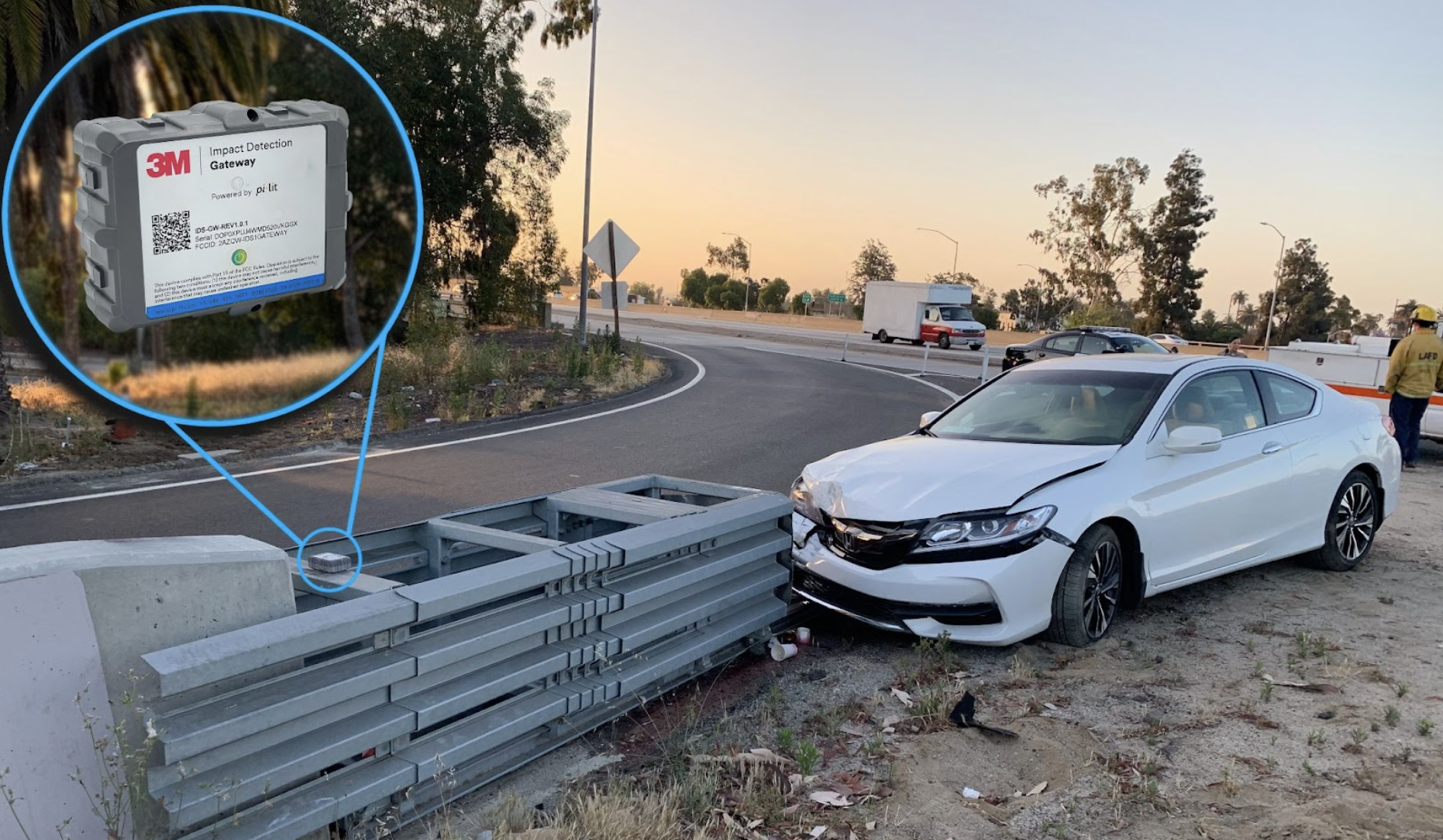
The best way to manage critical road safety devices is with a IoT cloud-based system. The pi-lit Impact Detection System (aptly named the IDS system) includes a small sensor that is easy to install and a cloud-based dashboard that allow
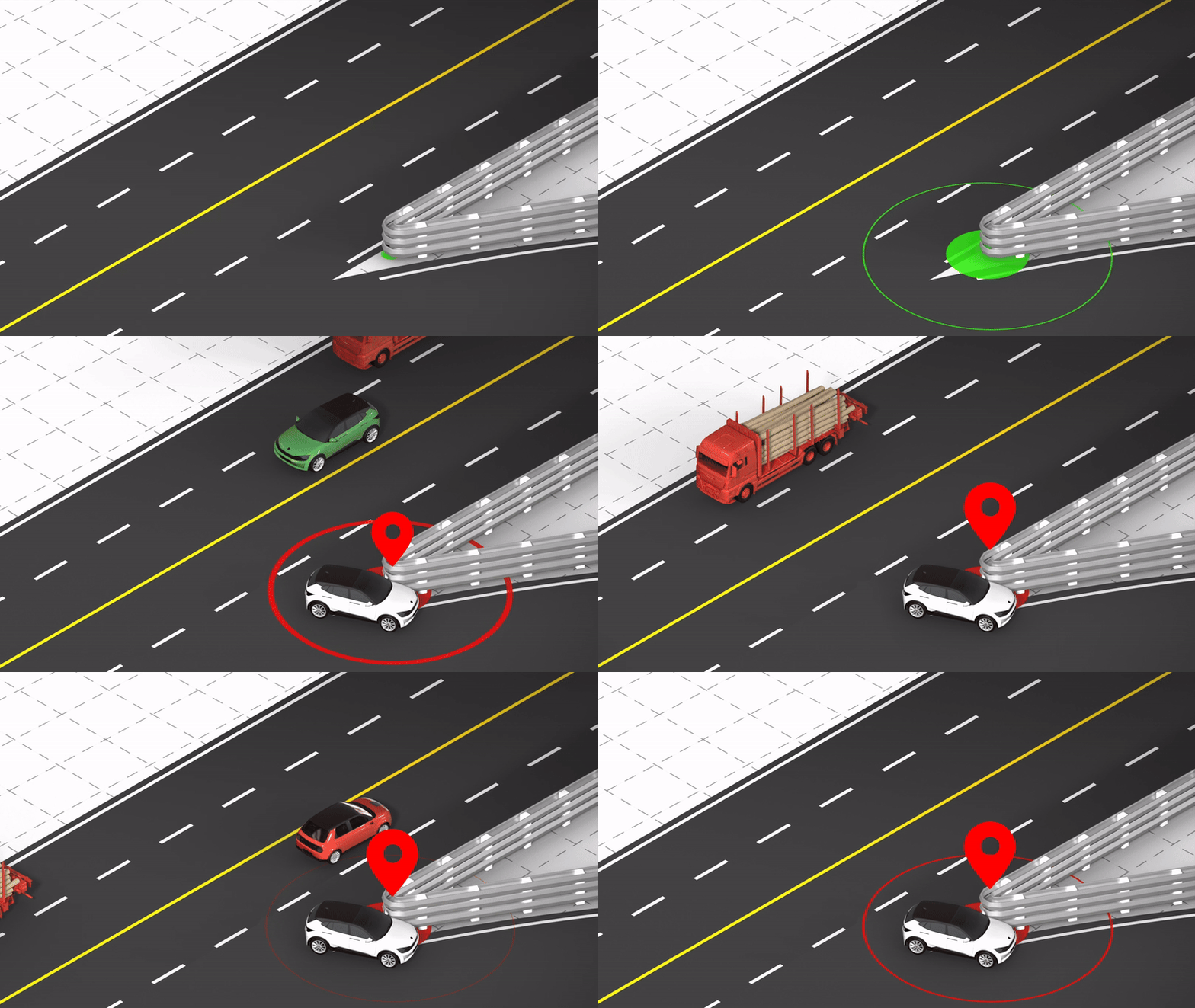
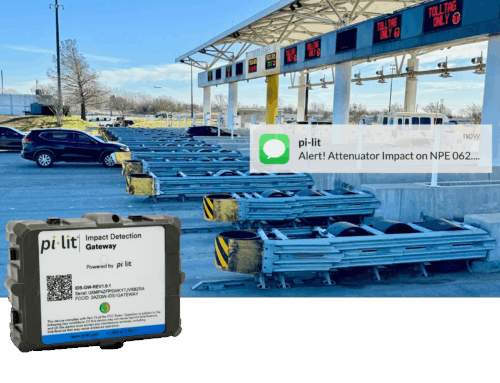
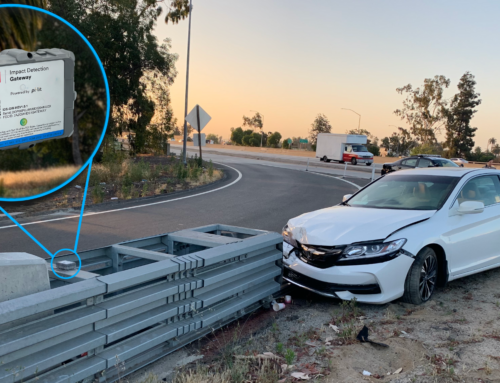
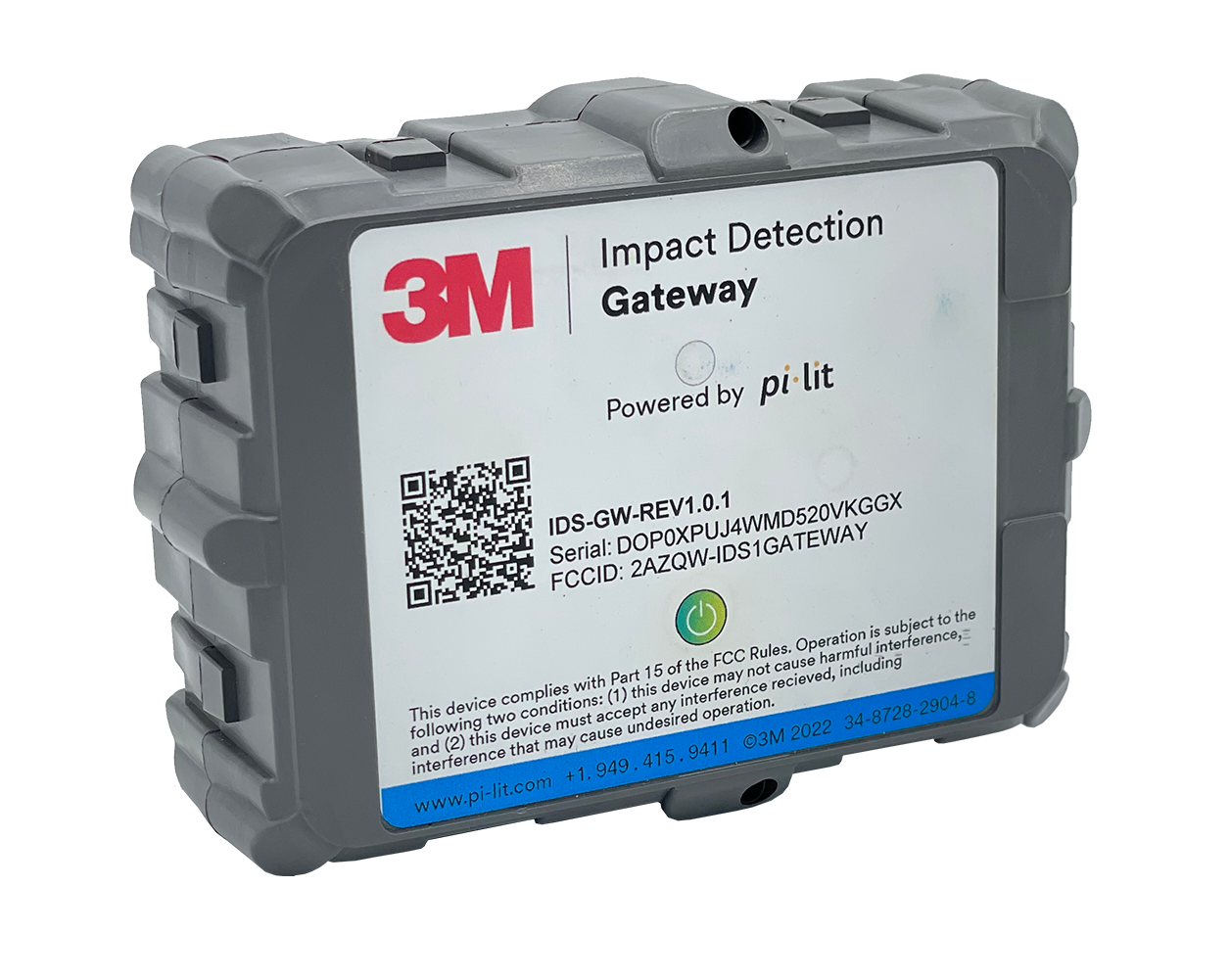
s the user to follow all sorts of parameters. The sensor, the size of a smart phone, installs in about 1 minute (maybe 2 minutes if you’re like me). No tools required. No brackets. No drills, Just a damp cloth and some finger nails to peel off the liner from the sticky tape. This is 3M VHB tape. Once on, it’s like a weld. Wild stuff! That’s all there is to it. Now, should the crash cushion or barrier experience a minor (or major) impact, your mobile phone will buzz and provide location data, a pop-up Google map location, latitude/longitude (if you wear a cap with a propellor), acceleration curves (requires a slide rule…), time stamp, and photograph of the crash cushion at the time of install before the impact.
Bridge road surface bouncing too much? Fix it from afar.
The cloud-based dash board not only provides the alert data described above, it allows you to adjust the sensitivity of the sensor from your desktop. False alert owing to trucks bouncing an overpass surface. No problem. Simply locate the asset on the dashboard map, click on it, and slide the sensitivity bar to the right. Done. And, at the same time, check out the battery voltage, and ambient temperature on the road surface. Want an alert should the sensor stop working, or walk away with a local? No problem. The IDS is smart enough to call home every 24-hours like clockwork. So, should a critical monitoring system go-down, you’ll know tomorrow.
We can push data to you.
Rather monitor using your own Traffic Management System? No problem. Using an Application Program Interface (API) we can deliver all of the IDS information directly to your system. Never have to log on to ours.

It’s 11 o’clock. Do you know the status of your critical road safety devices?
We’ll monitor all your stuff:
- Crash cushions
- End treatments
- Guardrails
- Cable barriers
- Signs (Gore, Stop, Yield, Chevron, etc.)
- Railroad crossing gates
- Work zone delineators (barrels, cones, message boards)
No longer must you wonder, “Are all of my protection devices working tonight?” IDS is awake and monitoring all your stuff for you.
We’ll let you know:
Get notified in real-time when your road safety devices is impacted. This revolutionary technology ensures that even the smallest of nuisance impacts are quickly inspected and repaired, so you can maintain your roadways with confidence. Plus, knowing exactly where all of your safety products, devices, and assets are ensures less budget loss.
Report With Ease
Our reports ensure the most up-to-date insights into impact history by location and device. By collating data, we help you make informed decisions about comparative device performance, manufacturer cost benefits, and safety analysis.
Experience The pi-lit Difference
Ready to see our Impact Detection System in action? Don’t wait for an emergency on the roadway; be proactive with pi-lit. All of our products are made right here in the United States.
As an industry leader and distributor of road safety products, including sequential LED flares, smart traffic cones, and our Impact Detection System, we can help your department from traffic control to critical asset management. Contact us today to see how we can best work together.