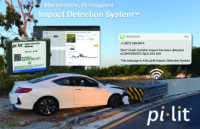
Impact Detection System
Impact Detection System
Ubiquity Through Economy™
Giving your Critical Road Safety Devices a voice. Monitor, Detect, Report, and Manage on a single platform.
Impact Detection Examples
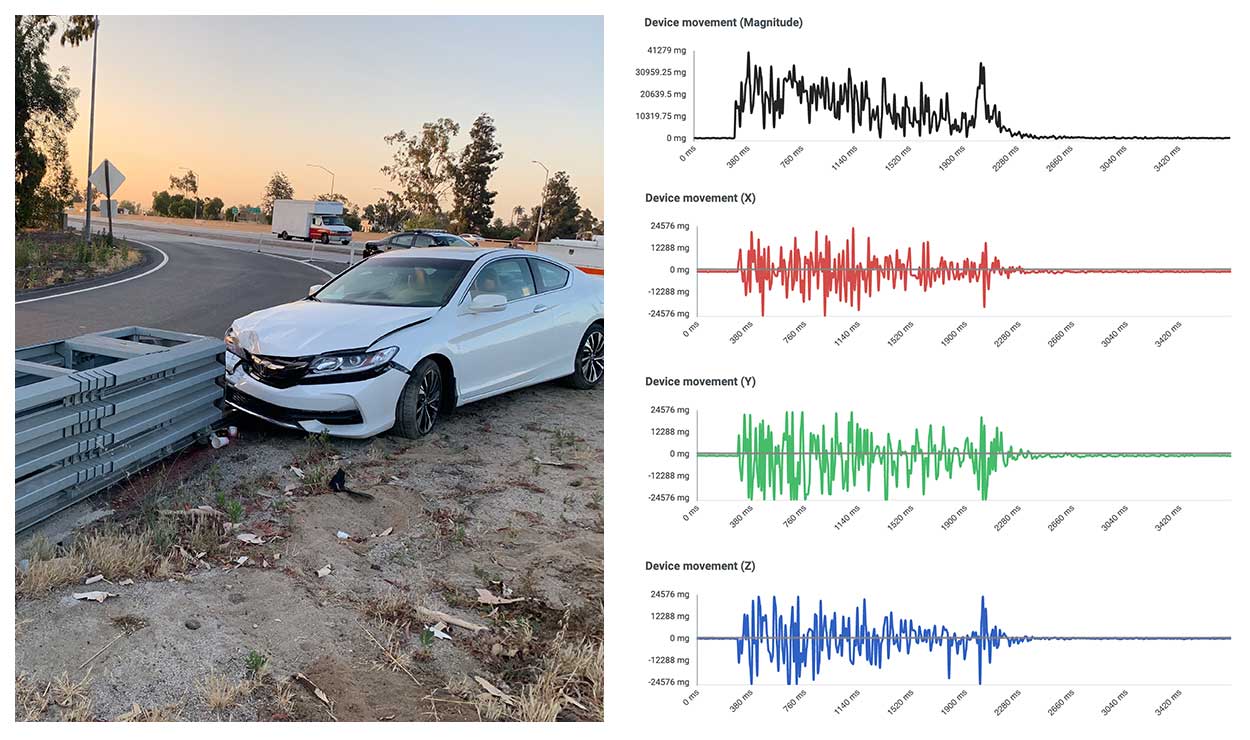
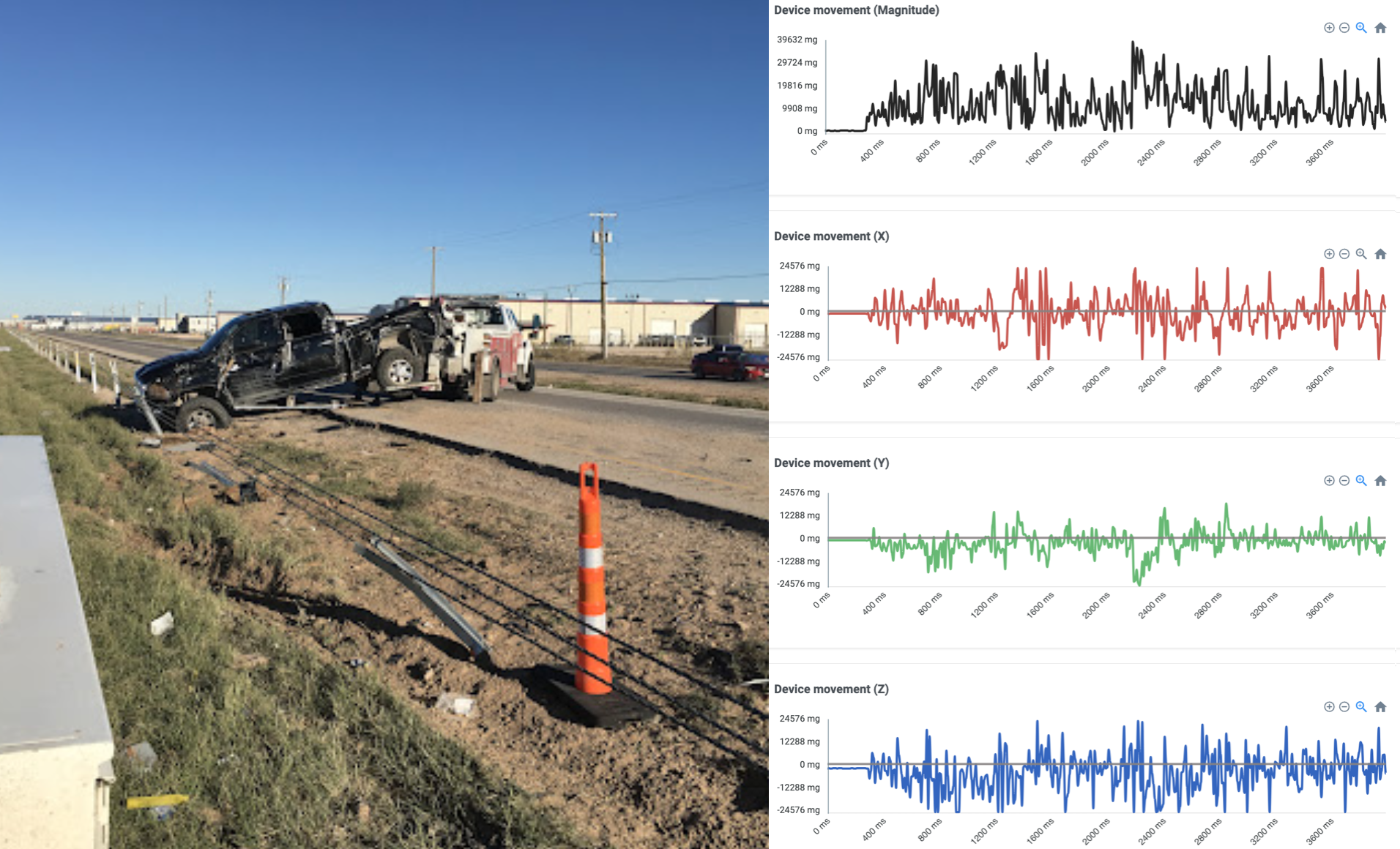
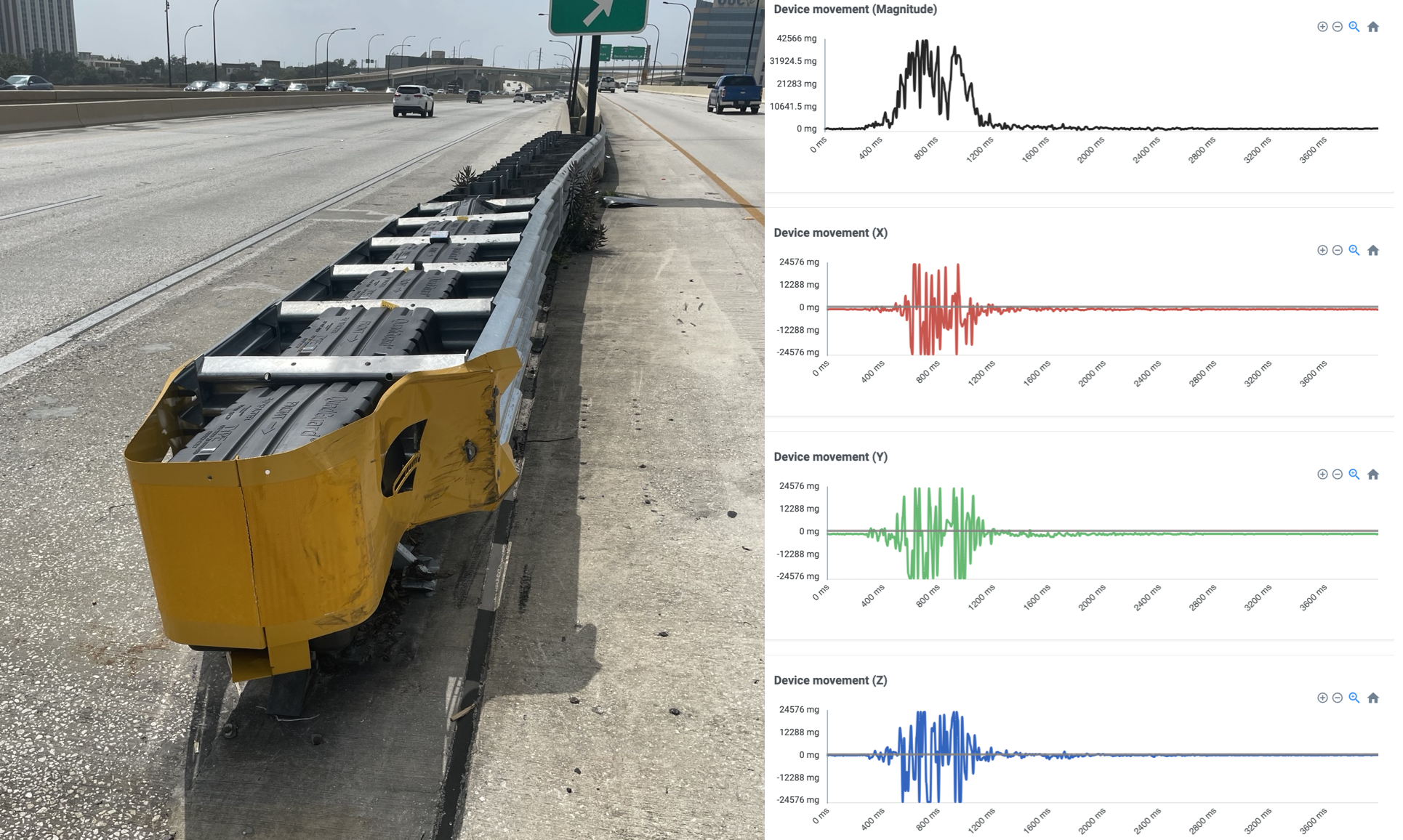
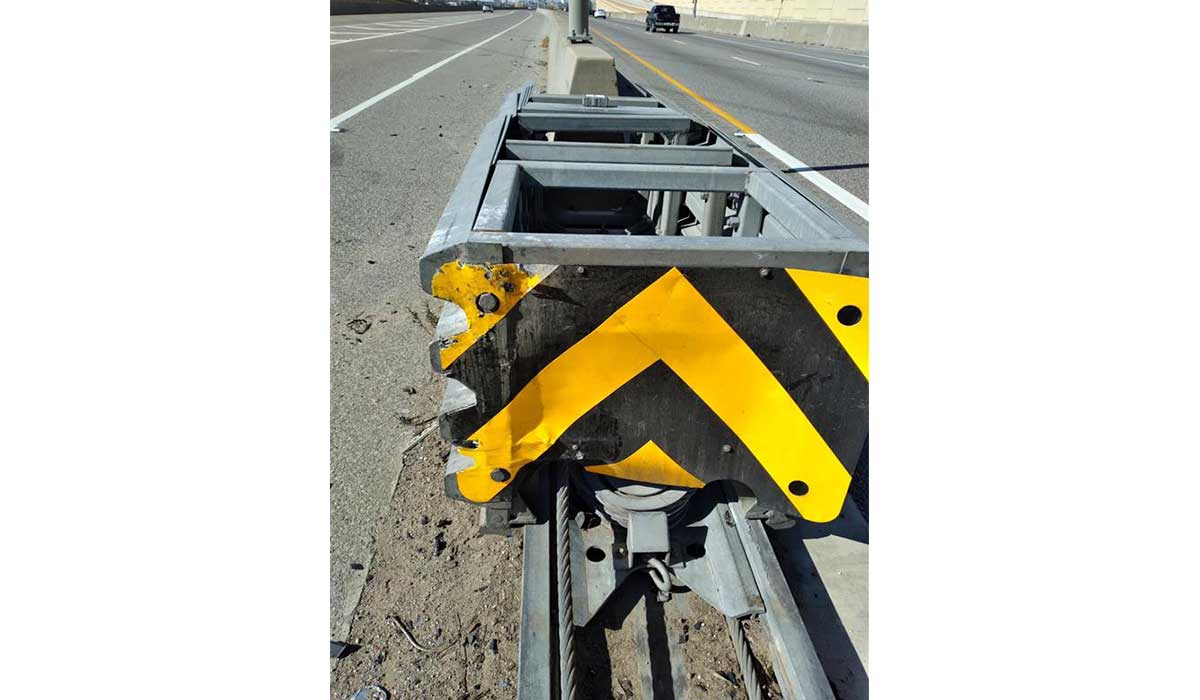
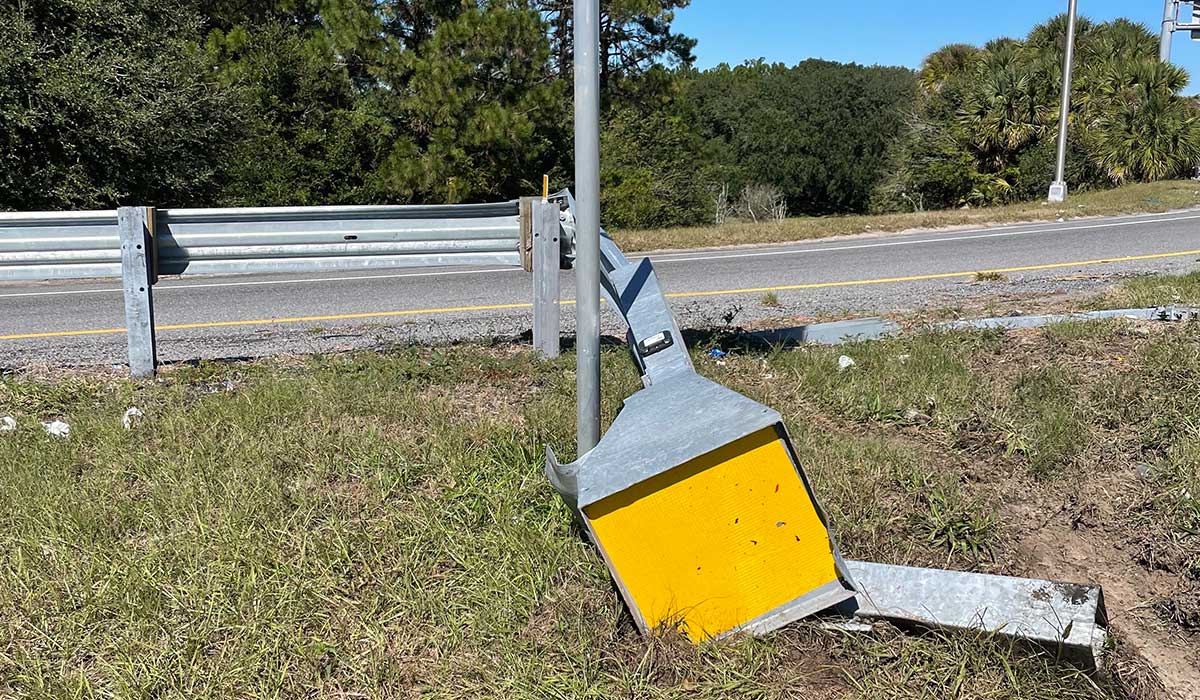
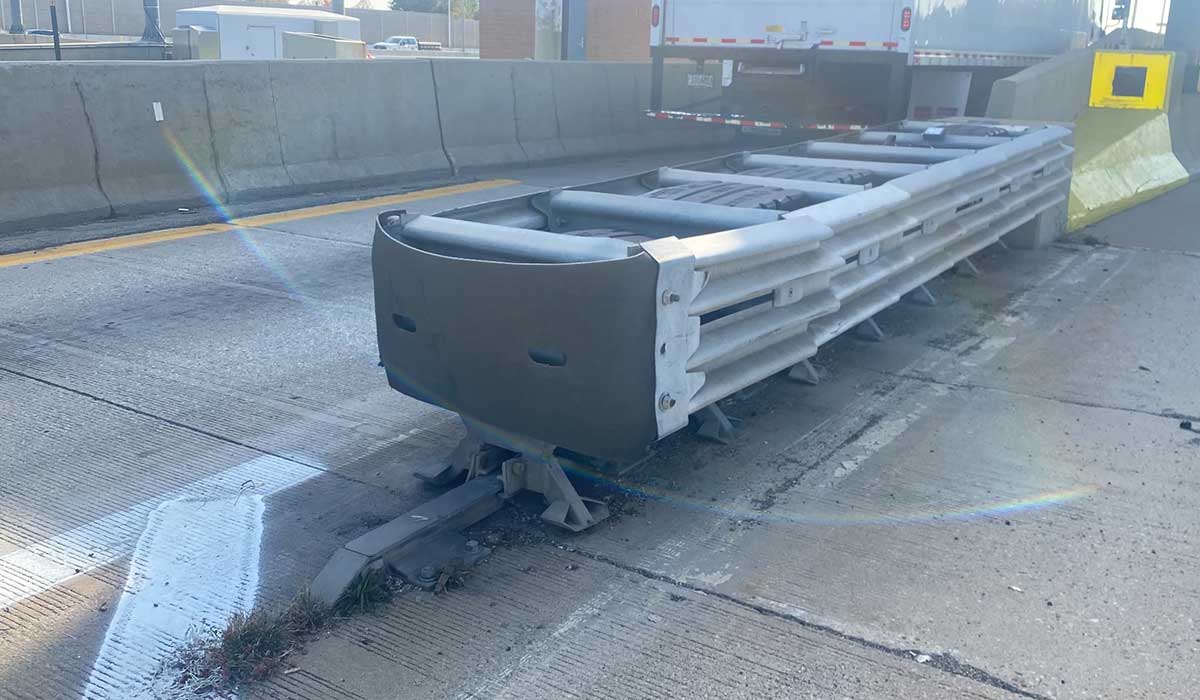
7:15 am. No braking or swerve. Talk about a rude awakening. pi-Lit IDS alerted the maintenance crew. Otherwise, who knows when this attenuator might have been inspected and repaired? Take home lesson? Even major hits can result in a drive away. Kudos to Valtir. Saved a life.
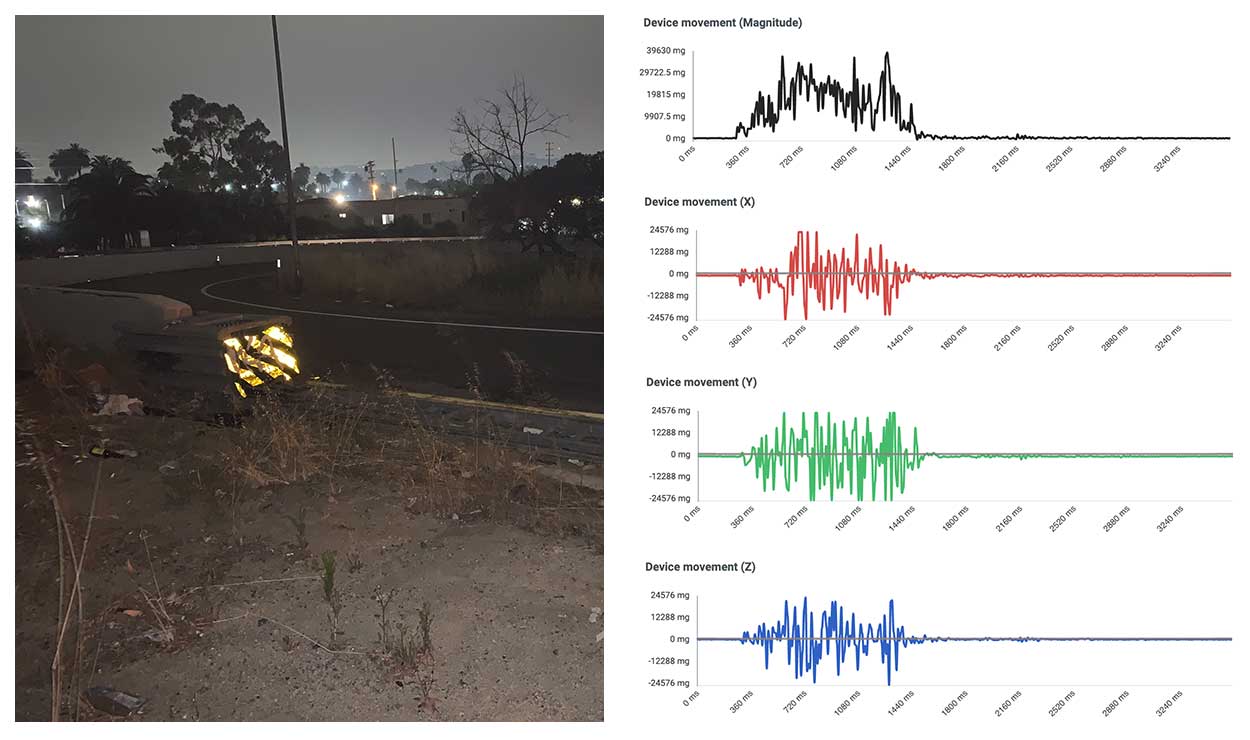
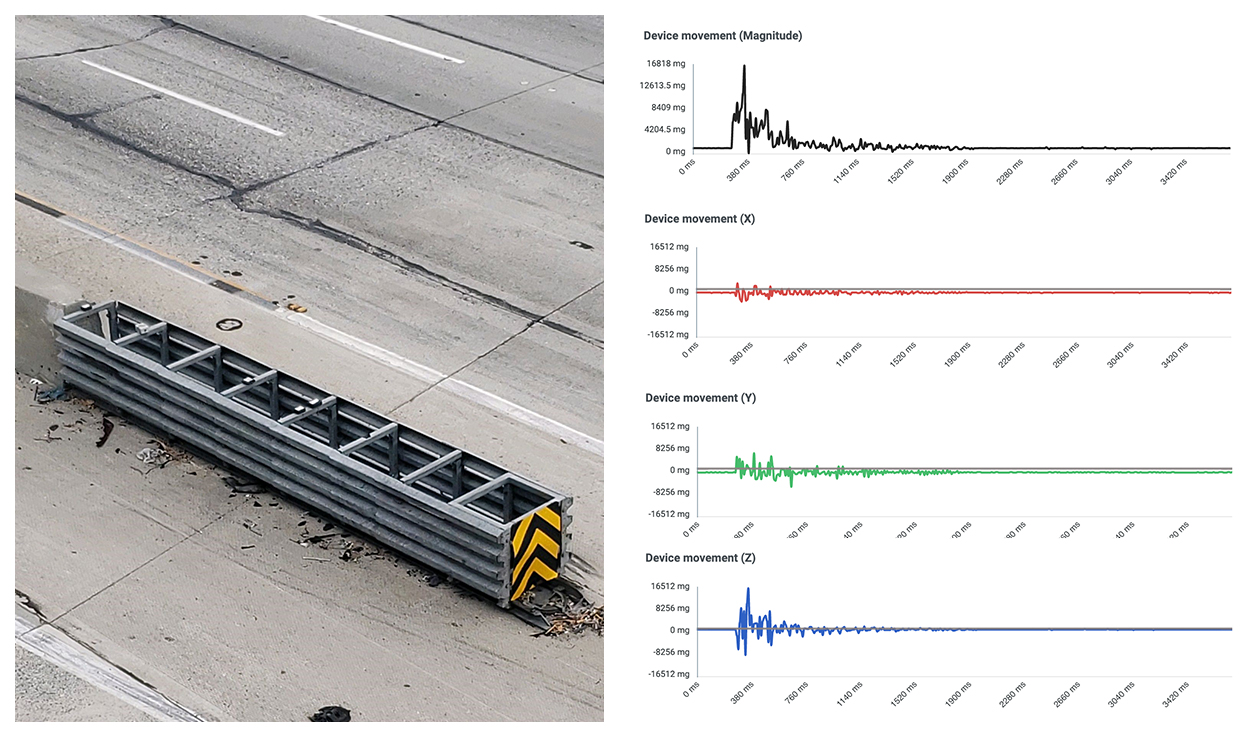
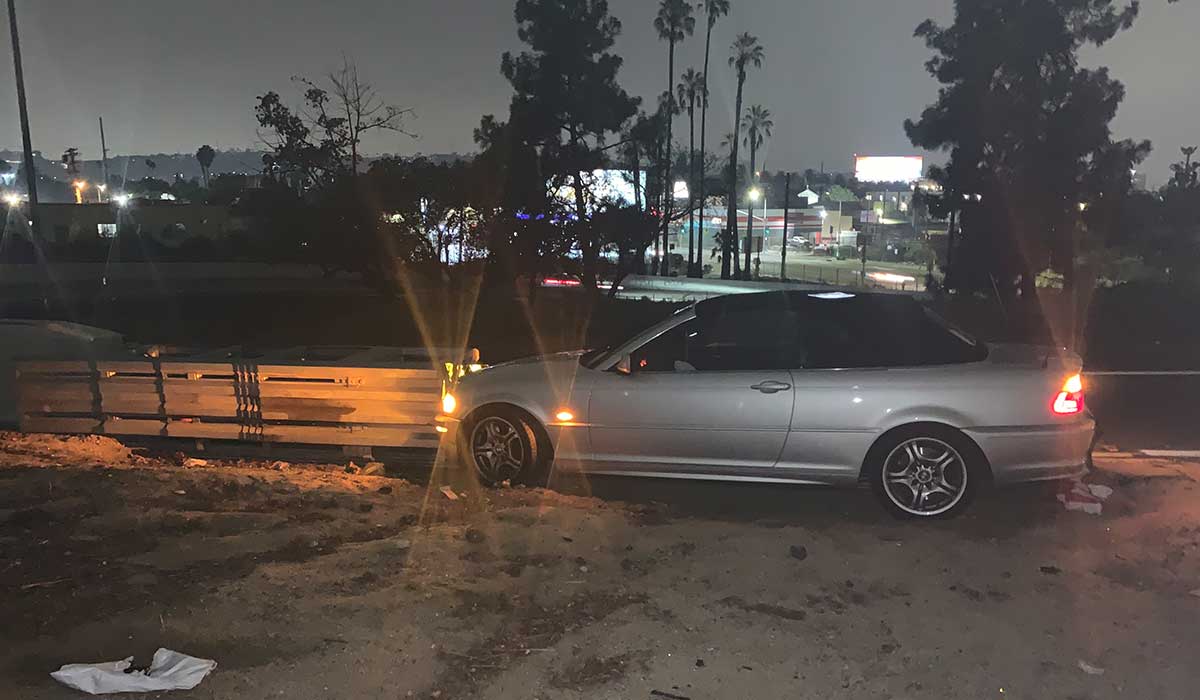
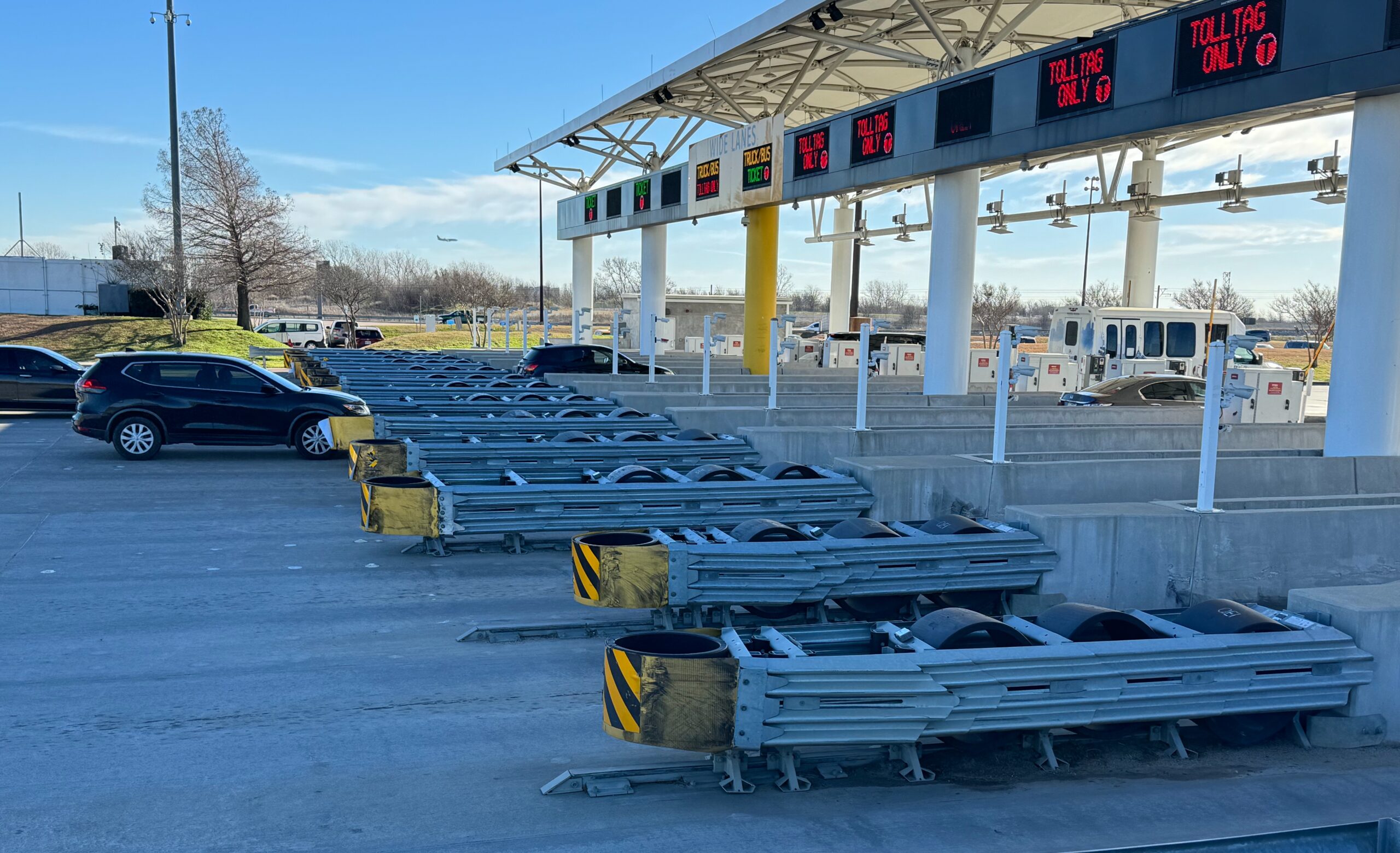
It’s 4:00 am. Do you know the status of your crash cushion? Another example of an impact where the sleepy driver leaves the scene. Drove a mile and waited for the tow truck. Think the driver or tow operator reported the impact? Can pigs fly? All bets are off regarding the time to inspection and repair.
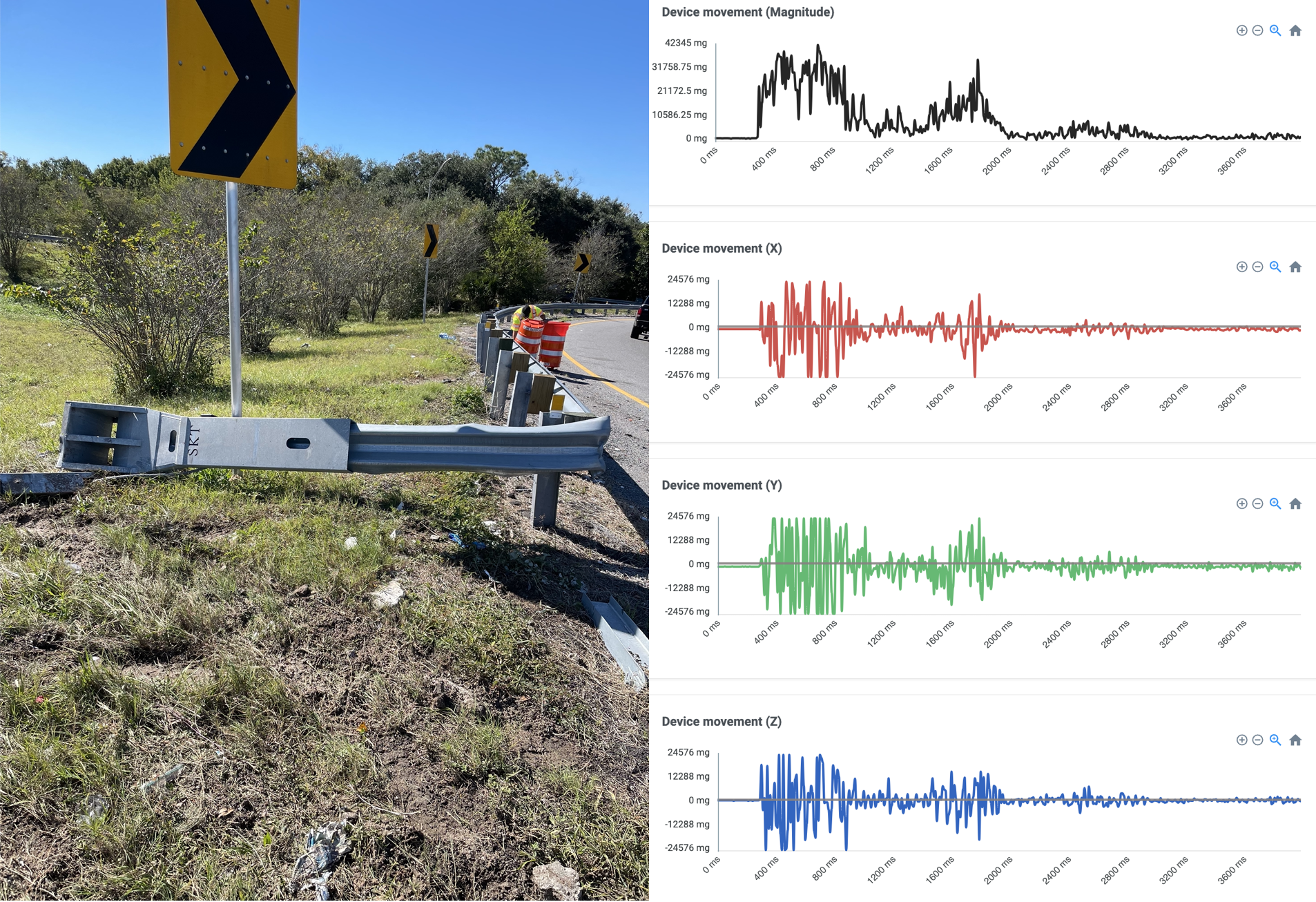
In this example we see an impact and the driver drop down the embankment. On scene traffic safety personnel assumed that the end-treatment in front of the disabled vehicle was involved in the event. They failed to inspect the crash cushion upstream at the gore point; the one that took the glancing blow. The alert from the impact sensor was the source of “ground truth” that led maintenance crews to the correct location. This attenuator might have gone unreported till the cows came home!
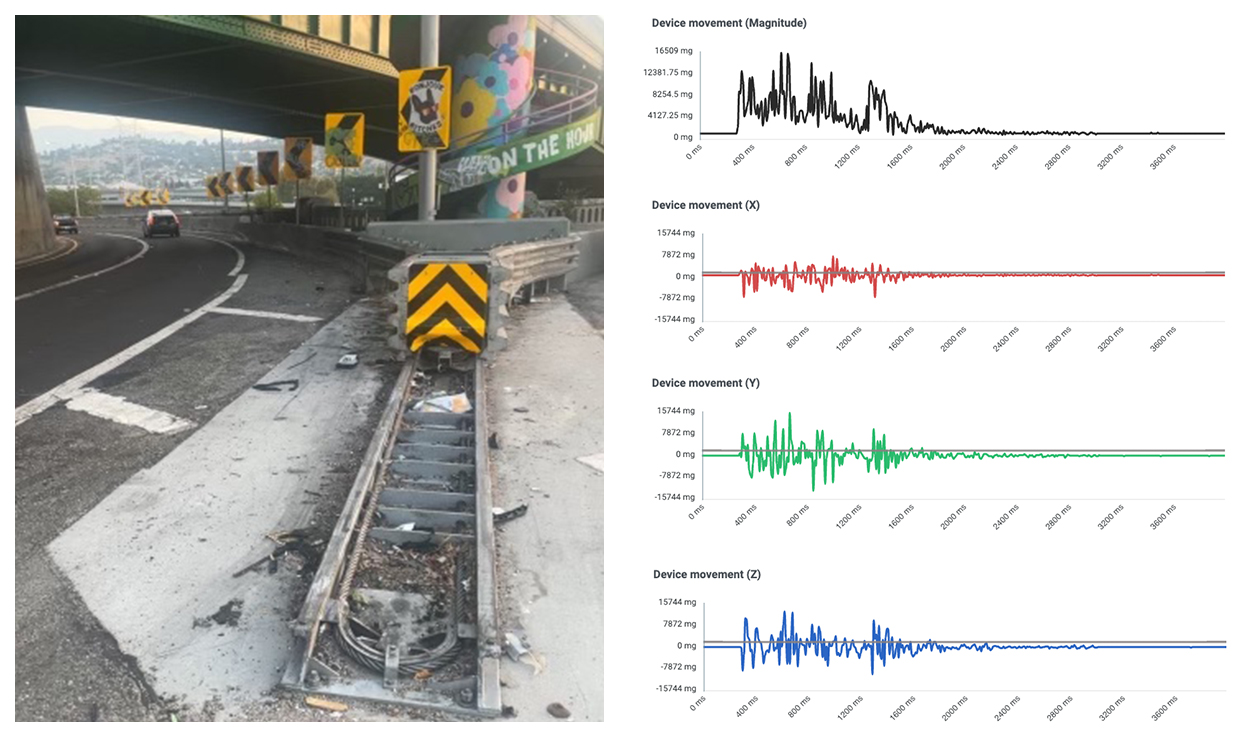
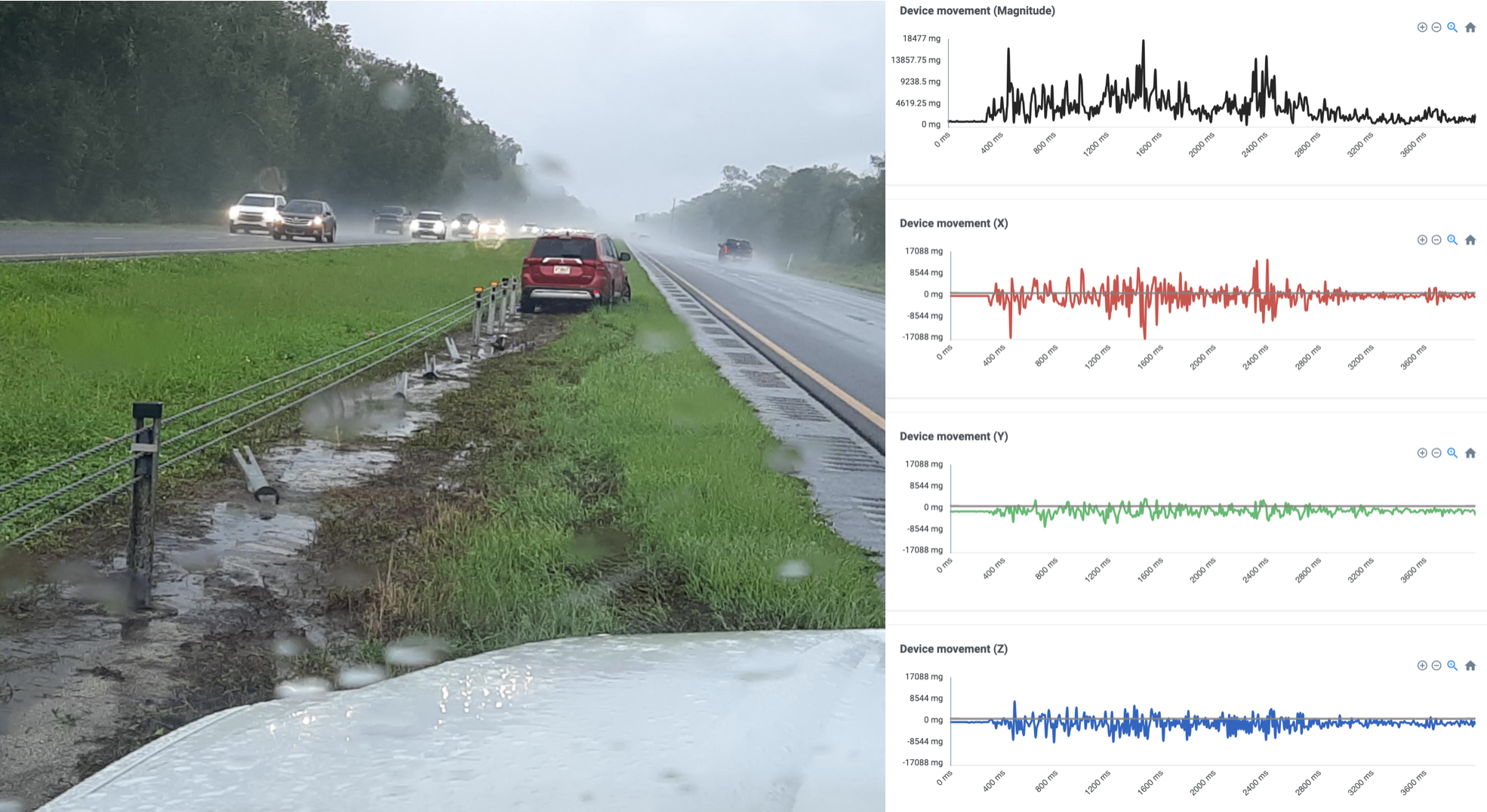
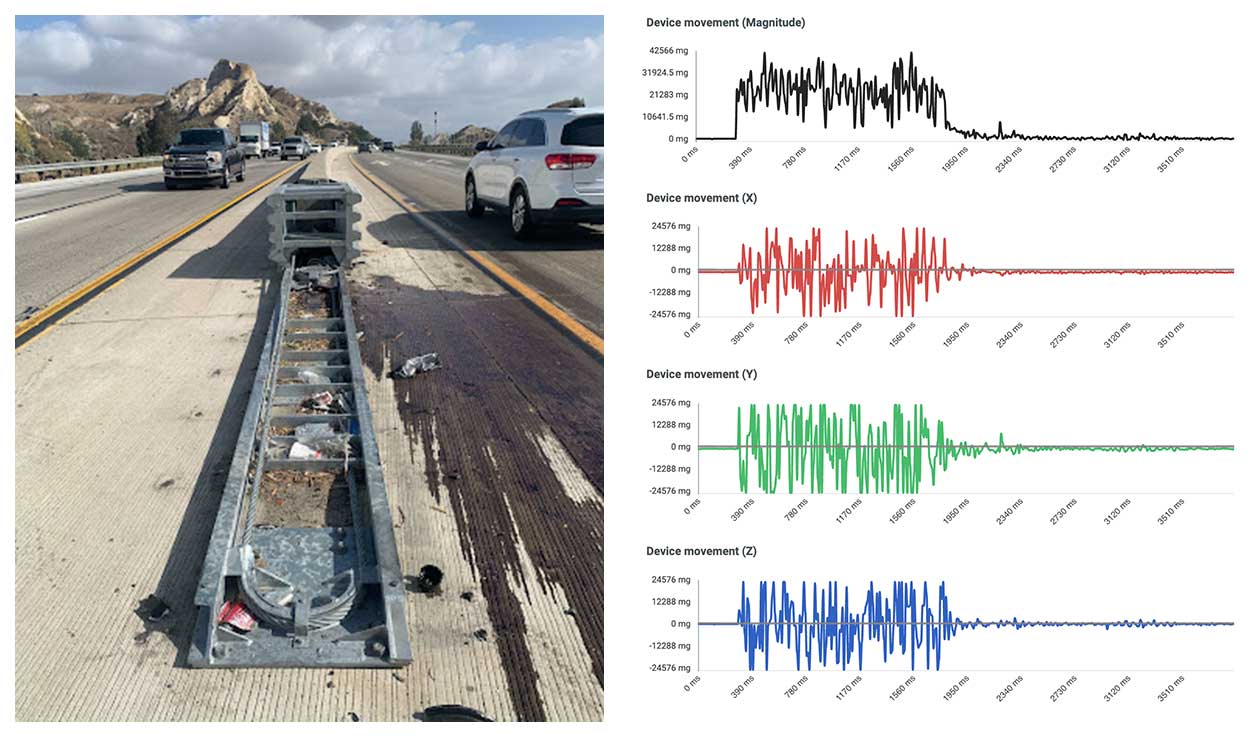
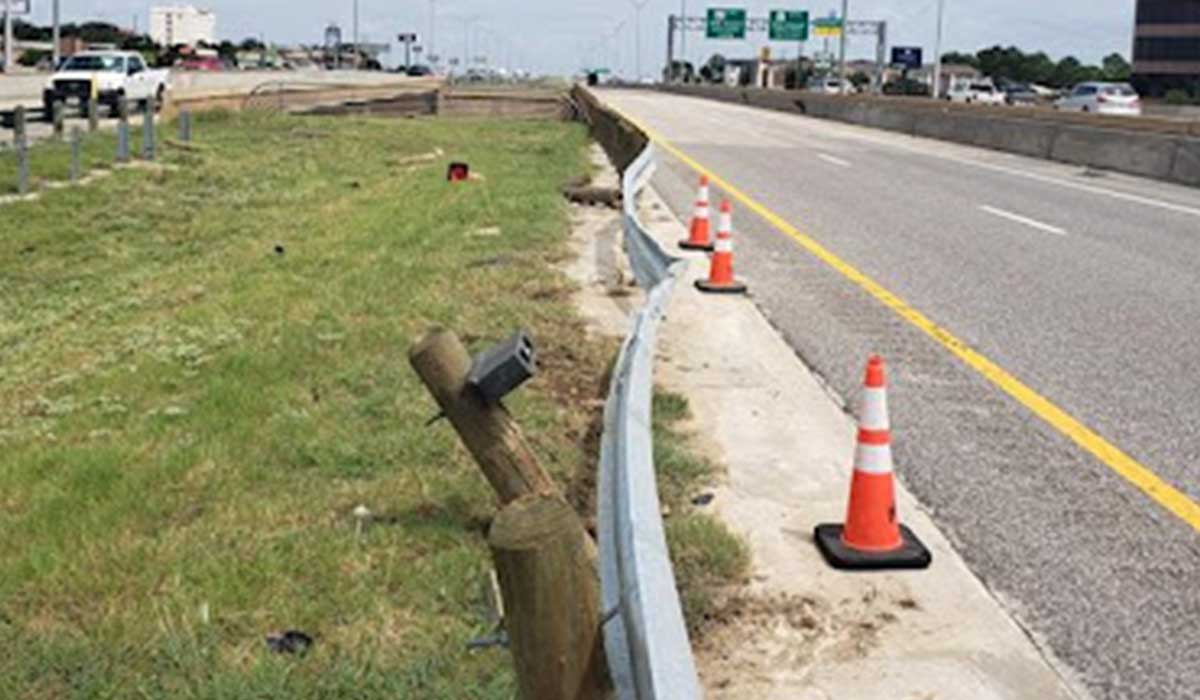
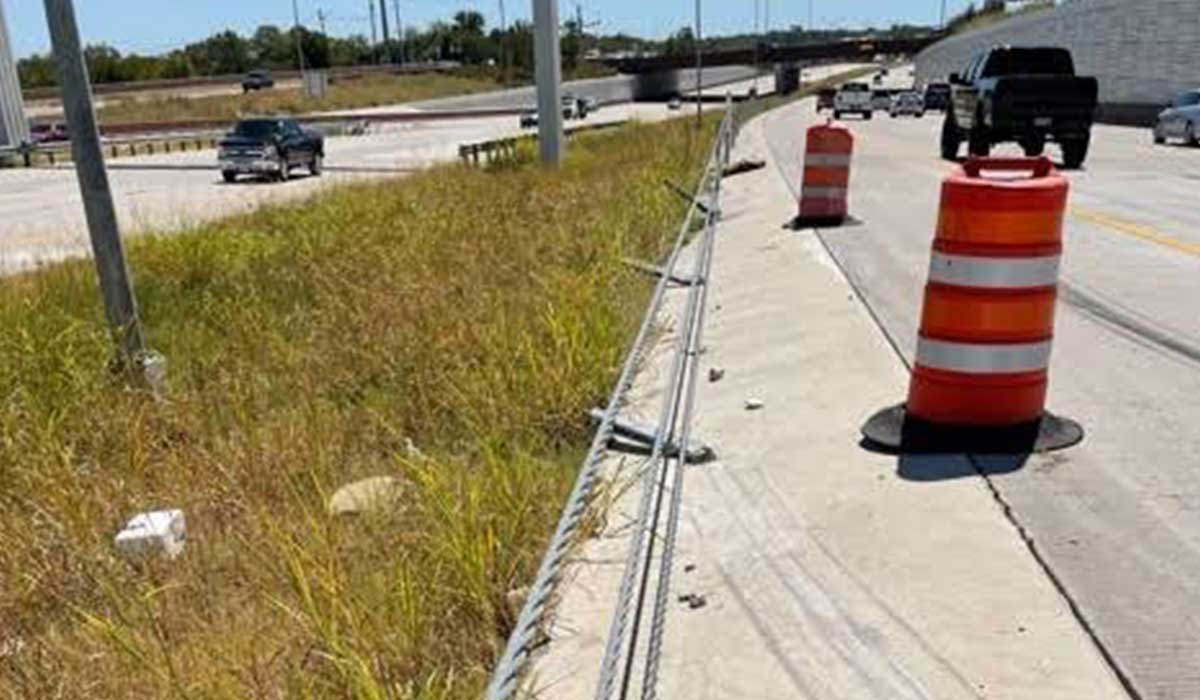
If you ask any agency, cable barrier is a major pain in their behind. They’re critical in safety (preventing head-on collisions) and there are hundreds of miles of cable that must be inspected. AND it’s easy to miss a section of cable barrier down. In this particular event, the sensors is installed 2,000+ feet upstream, close to the overpass. The sensor was triggered and quickly notified the DOT. As you can see from the damage, two critical sections of this barrier had been destroyed. The DOT was able to take quick action to repair this section of cable before a second, perhaps more tragic event took place.

Want to know the severity of the impact before driving to the site? With the IDS you can!
Manage Your Assets
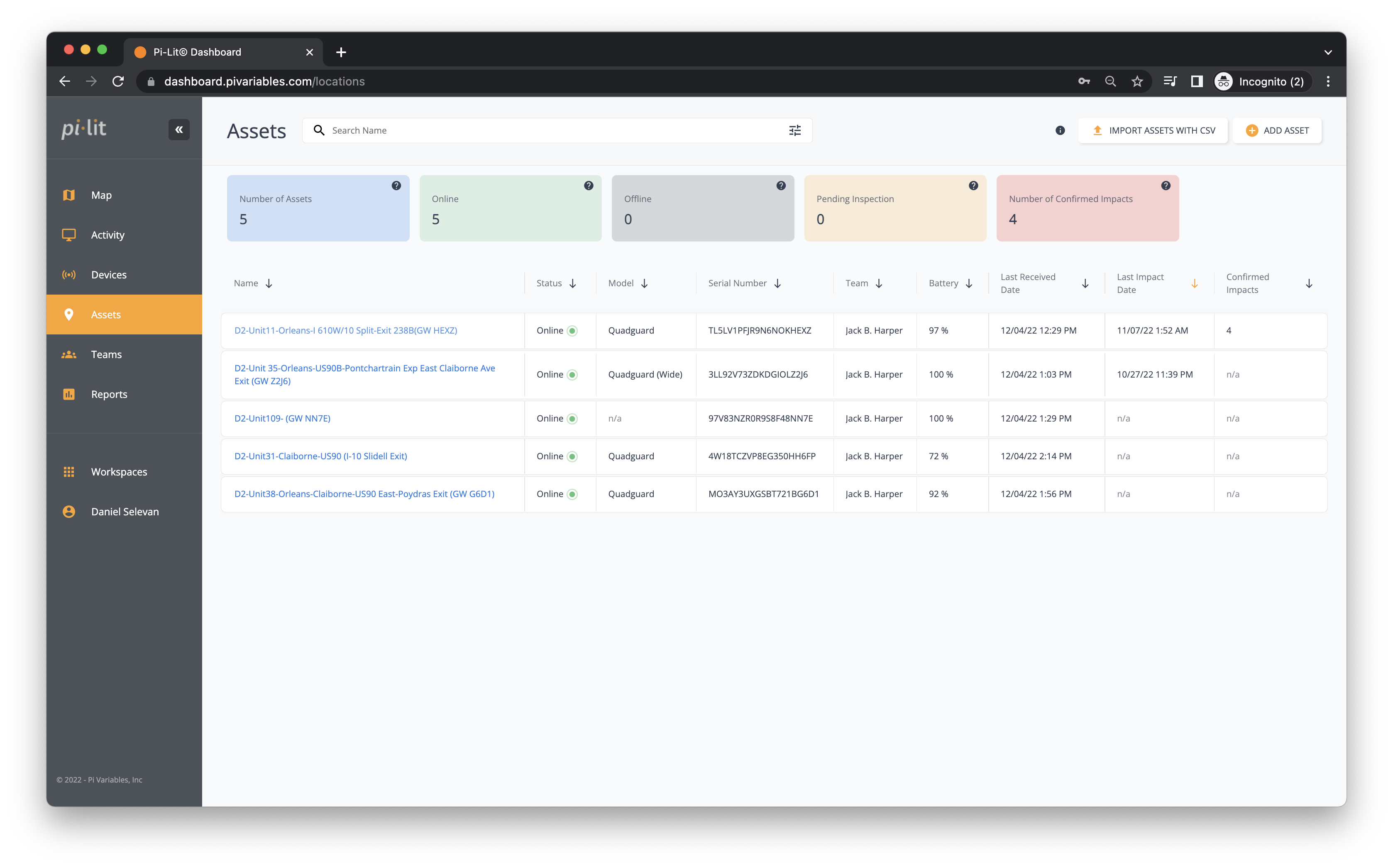
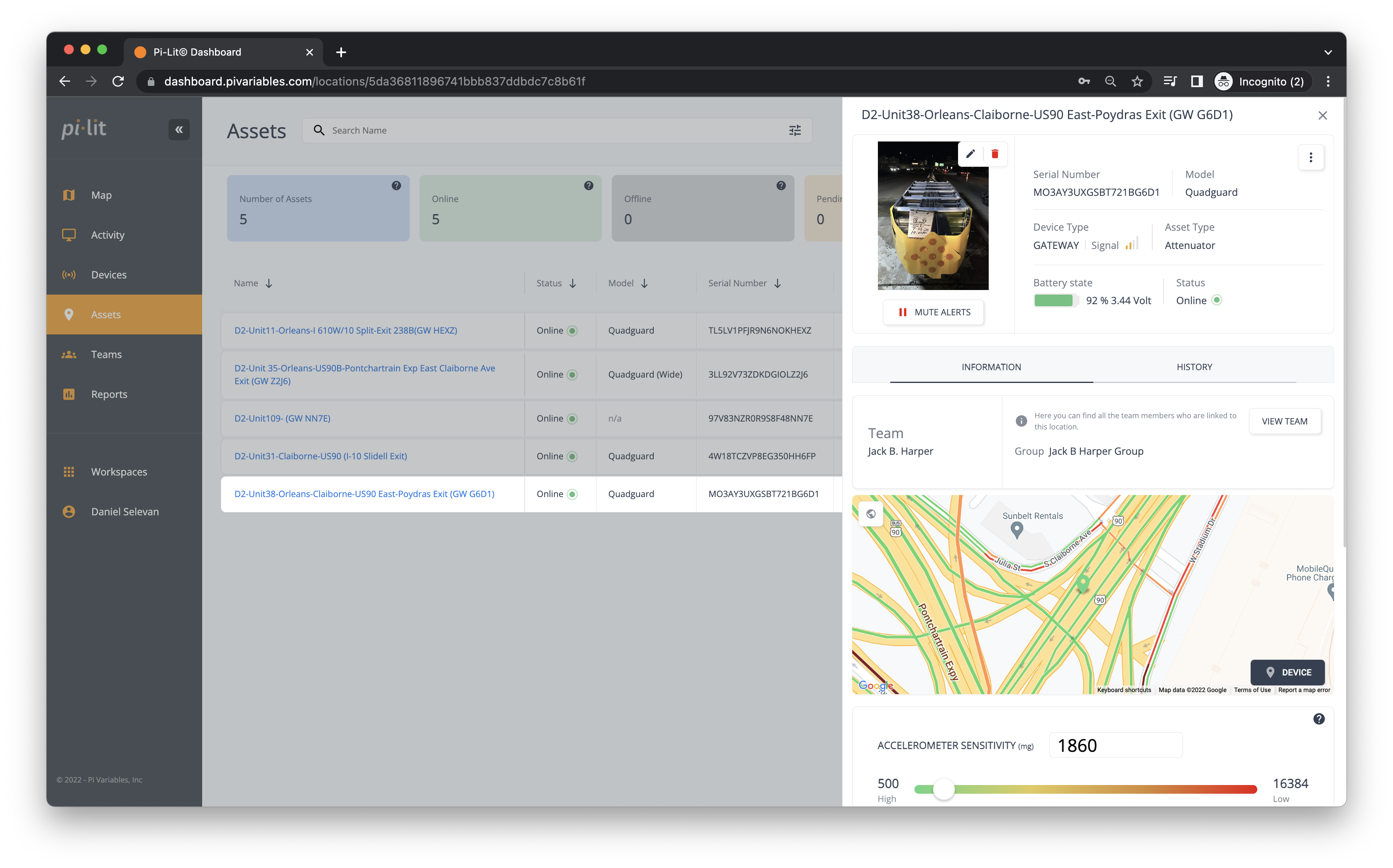
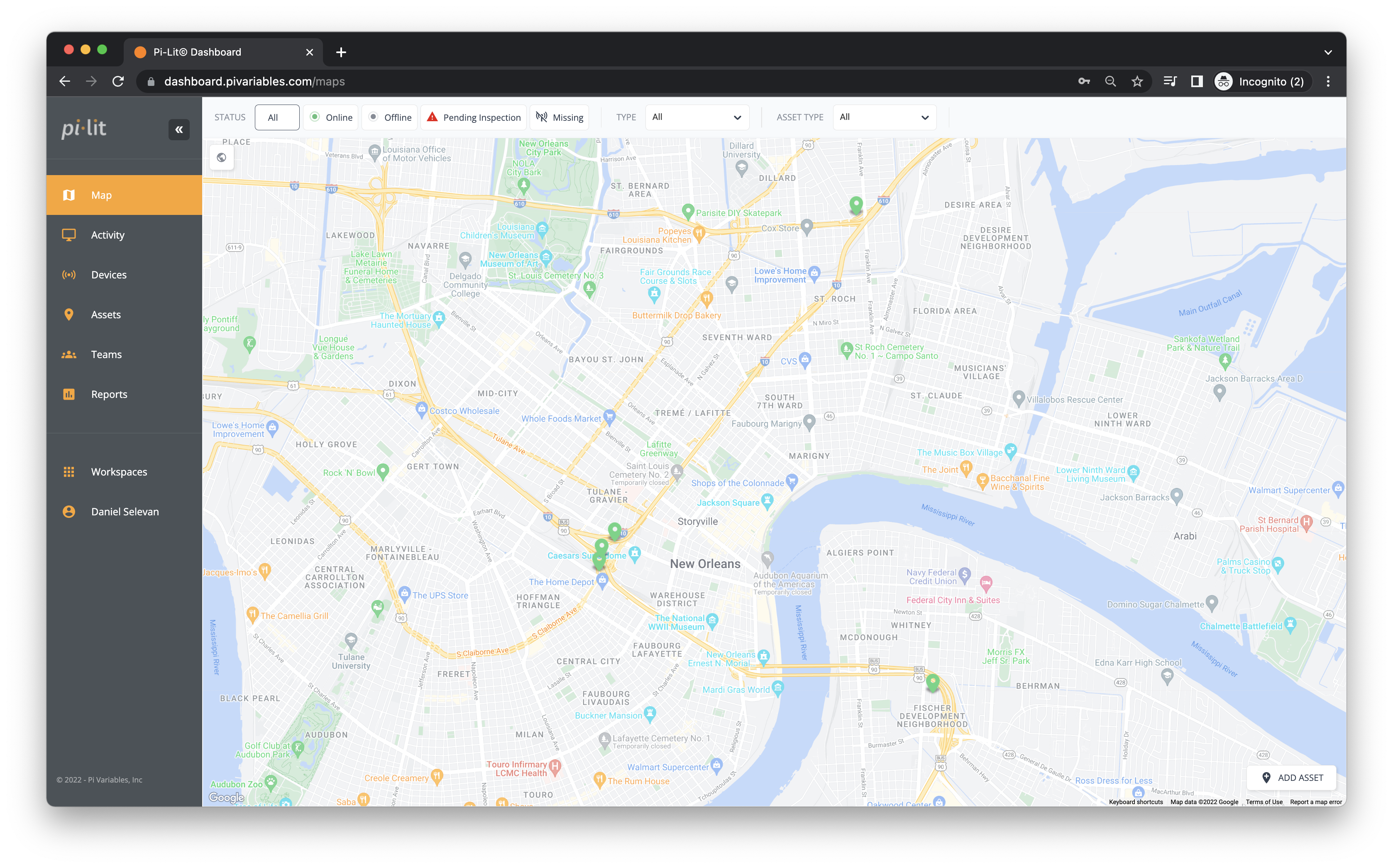
Manage inspection, maintenance, and repairs from the dashboard. Capture critical asset tracking and manufacturer information for quick recall identification, spare parts required following impact, etc. Automatically pushes the attenuator’s location and information to the dashboard where maintenance and management can view and monitor key assets.
Features and Specifications
Impact Detection System
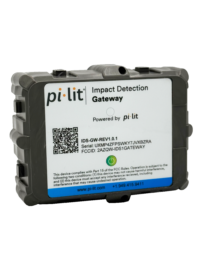
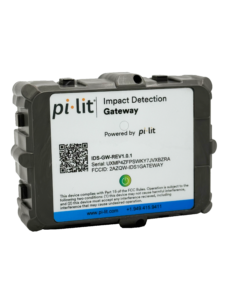
Pi-Lit uses one of two smart devices to monitor your crash cushions and barriers: The IDS Gateway and IDS Node. These are identical with one exception. The Gateway includes a cellular modem. When within range, many nodes can talk to a single Gateway leading to much lower cost deployment.
FEATURES AND SPECIFICATIONS
Gateway
Specifications
- 2.4GHz radio mesh network (not Bluetooth, not Wi-Fi, not Zigbee).
- Cellular network on ATT. International coverage with ATT roaming partners.
- Range between Gateway and Node: unobstructed line-of-sight 150 meters (492 feet).
- Default Check-in frequency every 24-hours: Can be adjusted upon request.
- 4-year battery life.
- Low battery alert at 25%. This is configurable by the customer on the Dashboard.
- 3 axis (X,Y,Z) accelerometer sensor onboard.
- Impact sensitivity set at 2500 milli-G’s. This can be adjusted by the customer on the Dashboard.
- IP67 (dust and water protection).
- Configure users and sites from the Dashboard. Limit who is alerted upon impact of each safety device.
Features
- Receive impact notifications within 60 seconds (email and/or text)
- Following impact, alert includes time stamp, Google Map location of device, photograph of device at time of initial deployment.
- Deployment takes 2 minutes. No tools, brackets, putty, or modification of the safety device.
- 4-year battery life.
- Remote configuration of sensitivity (from your desktop).
- Daily health status report to your Dashboard.
- Receive lower battery alerts.
- Receive failure-to-checkin alerts.
- Review history of events at that physical site.
- Receive graphical data presentation of G-forces and impact dynamics.
- The IDS Gateway becomes part of a radio network that includes IDS Nodes: Many-to-one mesh network allows for many Nodes to deliver alerts to personnel via a single cellular modem (Gateway). Monitor cushions, end terminals, guard rails, etc., with Nodes that pass the message on to the Gateway.
FEATURES AND SPECIFICATIONS
Node
Specifications
- 2.4GHz radio mesh network (not Bluetooth, not Wi-Fi, not Zigbee).
- Range between Gateway and Node: unobstructed line-of-sight 150 meters (492 feet).
- Default Check-in frequency every 24-hours: Can be adjusted upon request.
- 4-year battery life.
- Low battery alert at 25%. This is configurable by the customer on the Dashboard.
- 3 axis (X,Y,Z) accelerometer sensor onboard
- Impact sensitivity set at 2500 milli-G’s. This can be adjusted by the customer on the Dashboard.
- IP67 (dust and water protection).
- Configure users and sites from the Dashboard. Limit who is alerted upon impact of each safety device.
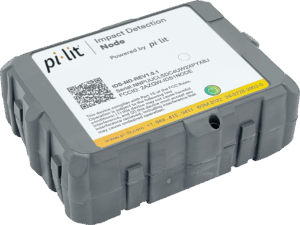
Features
- Receive impact notifications within 60 seconds (email and/or text)
- Following impact, alert includes time stamp, Google Map location of device, photograph of device at time of initial deployment.
- Deployment takes 2 minutes. No tools, brackets, putty, or modification of the safety device.
- 4-year battery life.
- Remote configuration of sensitivity (from your desktop).
- Daily health status report to your Dashboard.
- Receive lower battery alerts.
- Receive failure-to-checkin alerts.
- Review history of events at that physical site.
- Receive graphical data presentation of G-forces and impact dynamics.
Nuisance or Unreported Impacts the IDS™ have detected and reported

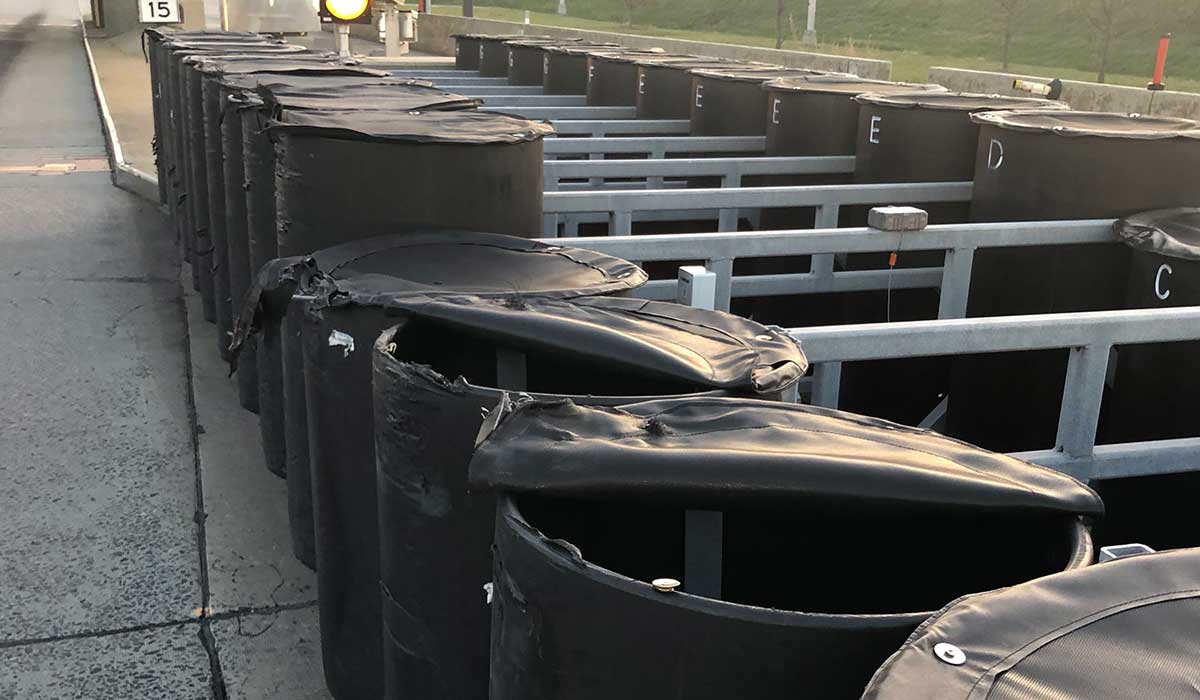
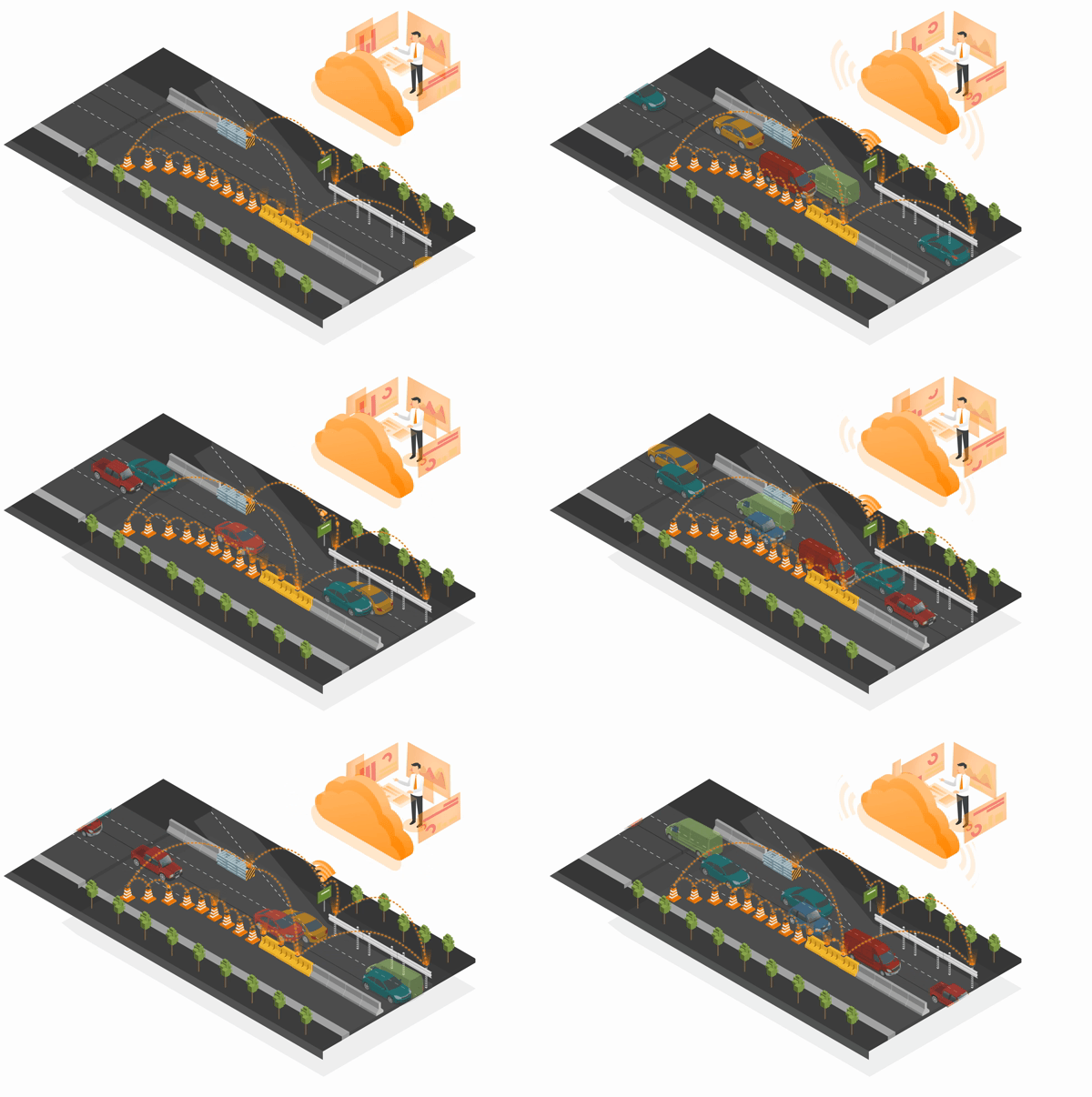
Connect multiple NODES to a GATEWAY to increase asset coverage, at a lower cost.
Our Technology
Our novel sequencing technology and IoT devices are based upon a network topology referred to as a “mesh”. In this network architecture all of the nodes (lamps, sensors, etc.) are equal – no coordinator or followers. It is a decentralized network, each node or device acts independently of others. Our breakthrough innovation in applying mesh networking to road safety technology has resulted in 20 granted patents and this number is growing.
Derived from nature, our sequential-flashing patented “Flock” radio network mimics a school of fish or a flock of birds. In these scenarios there is not one “leader” of the pack, all the birds or fish can lead the group and communicate with the others to follow. This natural behavior creates the perception of a larger, organized entity that deters prey from attacking. A similar effect created by our technology guides drivers safely around work zones and incidents.
Save Money
Whether crews are deployed to drive miles to inspect cable barriers, or your department relies upon “passive maybe” reporting, safety cannot rely on “maybe”. Crew time is expensive, vehicle miles are expensive, and liability resulting from failure to inspect is expensive. Or you can choose the smart, pennies-per-day alternative: pi-lit® Asset Impact Management System AIMS™.

Learn More
Give us a call at +1 (949)415-9411 or fill out the form below.
(Information will not be distributed; used only for pi-lit® to answer your questions).